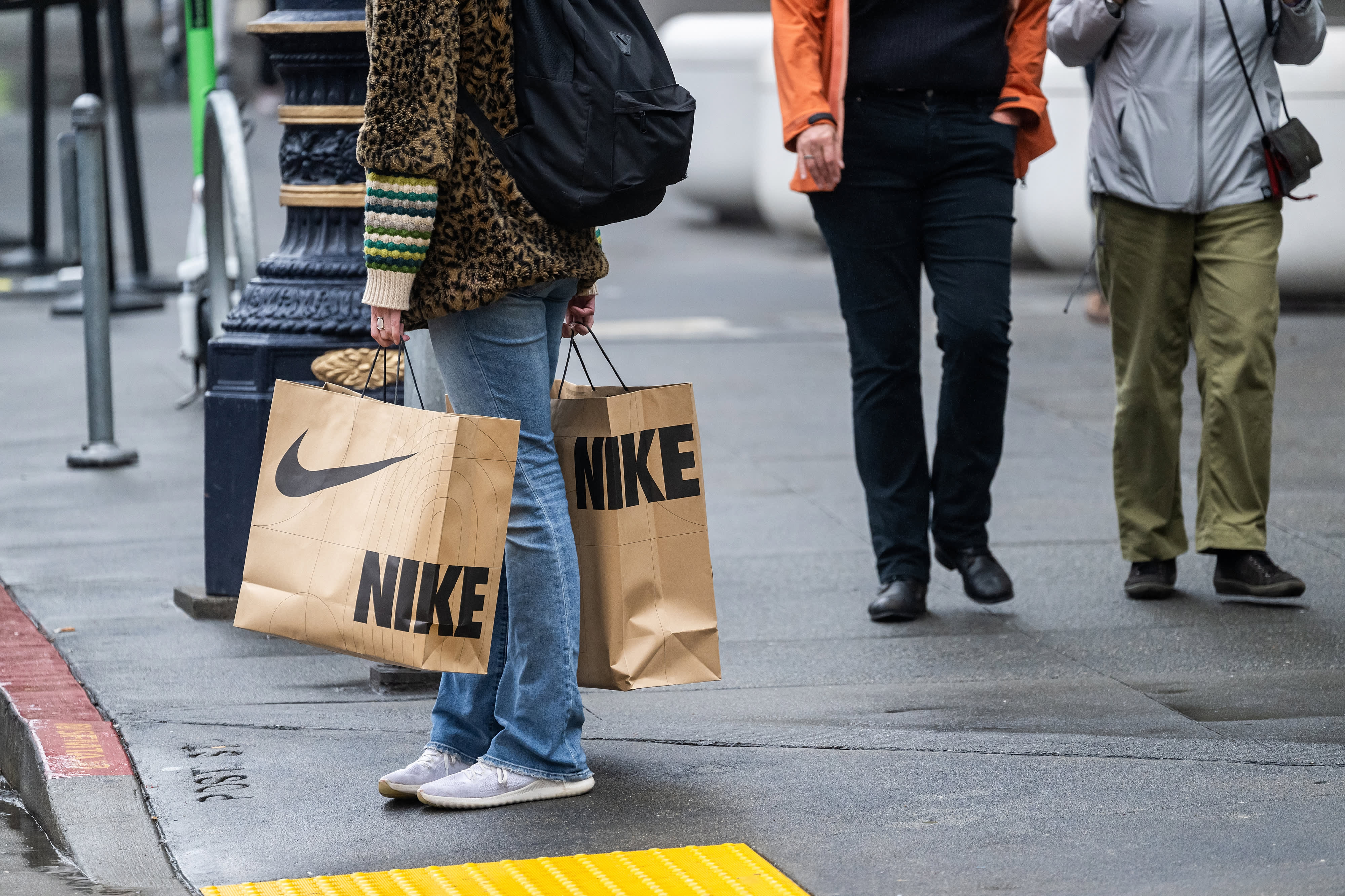
A woman shops at a supermarket on April 30, 2025 in Arlington, Virginia.
Sha Hanting | China News Service | Getty Images
From clothing to auto parts to electronics and more, tariffs are making everyday items cost more at a time when the labor market is looking increasingly fragile.
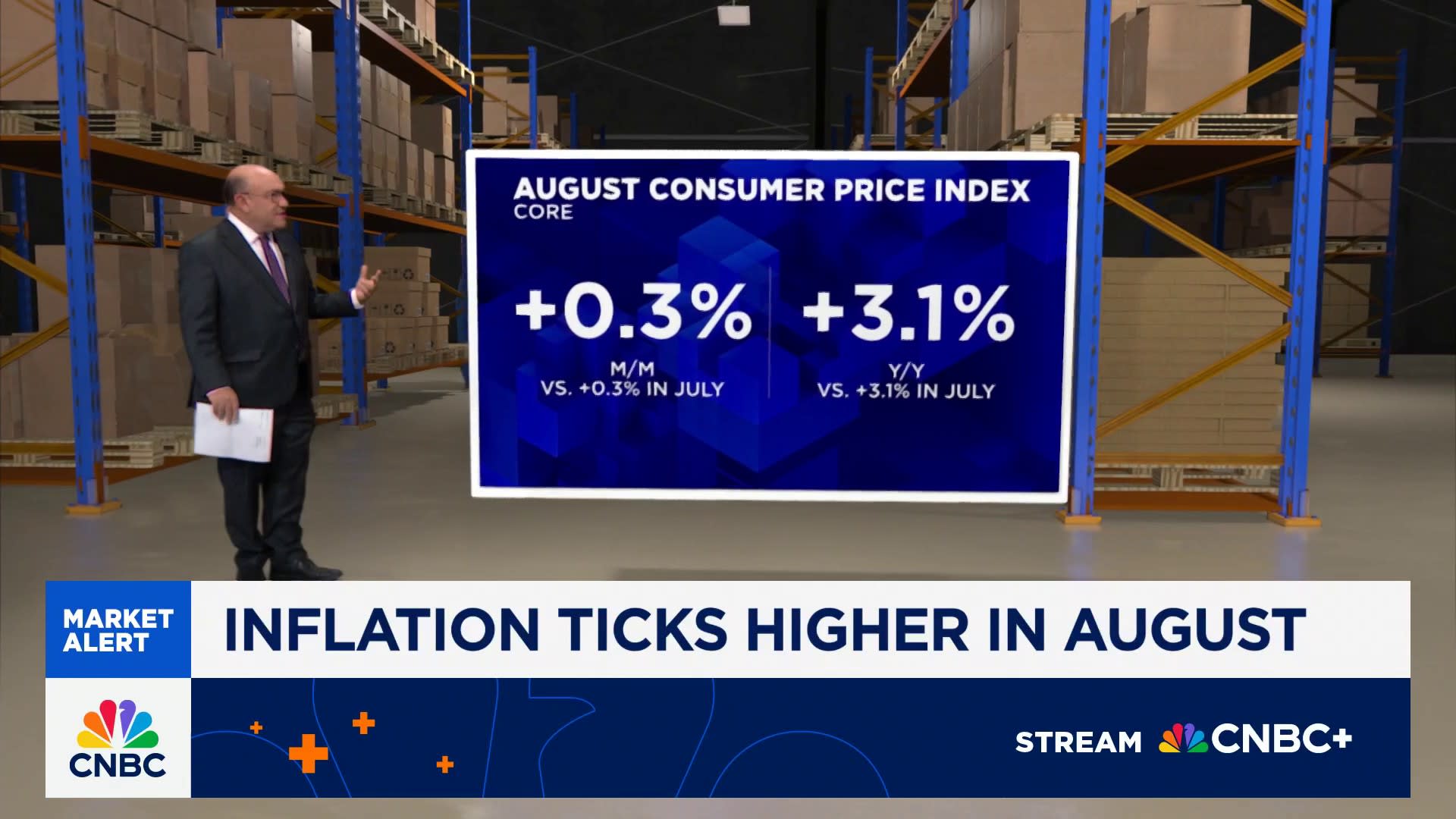
A key Bureau of Labor Statistics inflation report released Thursday showed price increases for a variety of tariff-sensitive items.
Apparel prices rose 0.5% as did video and audio products. Motor vehicle parts climbed 0.6% while new car prices were up 0.3% and energy increased 0.7%. Groceries accelerated 0.6%, the biggest monthly move since August 2022. Furniture and bedding saw a 0.3% hit and are up 4.7% from a year ago while tools and hardware had a 0.8% jump, part of manufacturing-related goods that are particularly impacted.
(See here for a full inflation breakdown by item.)
More broadly, goods excluding food and energy rose 0.3% on the month and are up 1.5% from a year ago, the fastest rate since May 2023, according to Fitch Ratings. Coffee rose 3.6% on the month and is up 20.9% from a year ago.
Together, the increases may not sound dramatic. But they are enough to give both consumers and Federal Reserve policymakers at least some cause for concern.
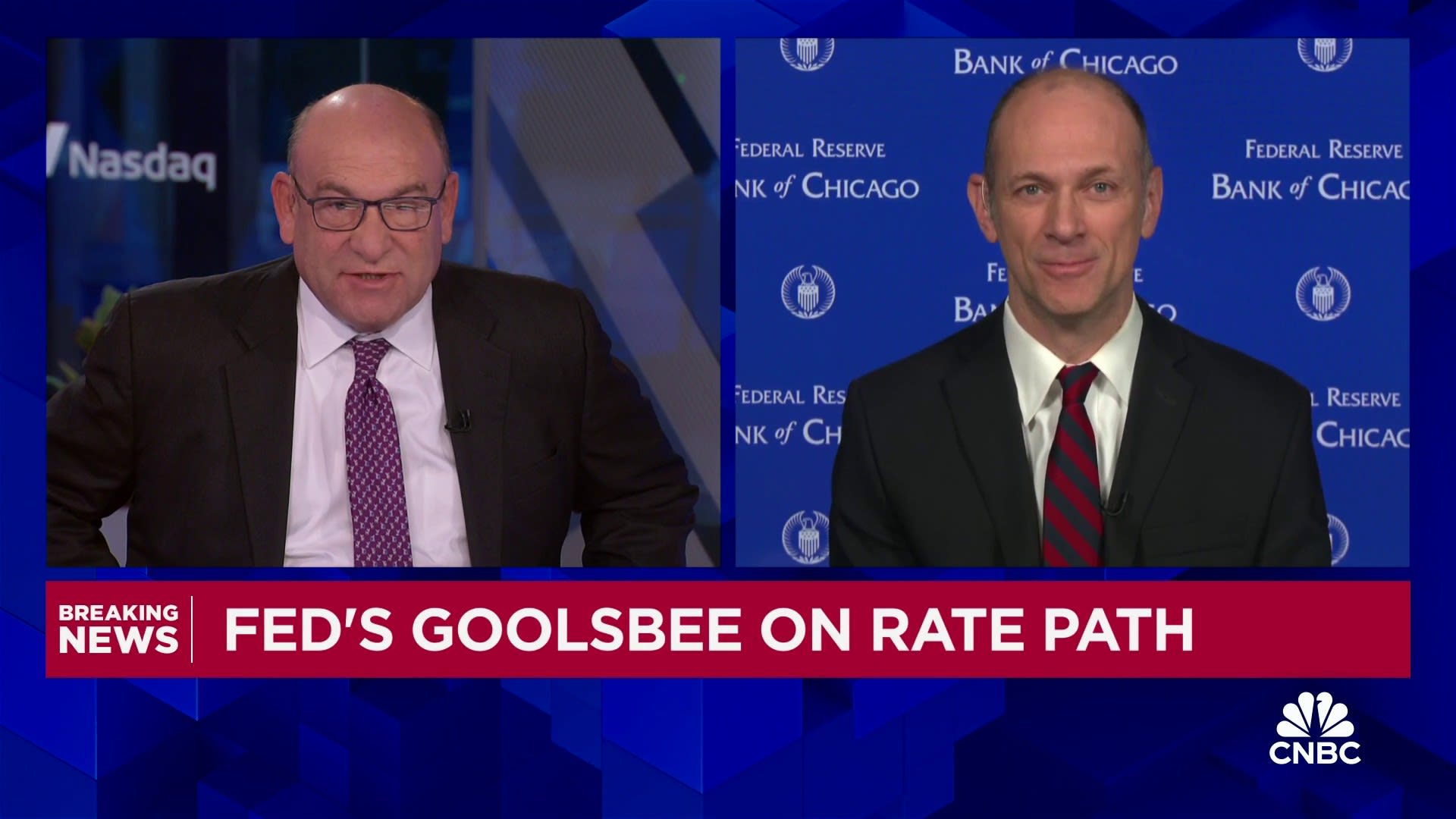
“We’ve already been seeing tariffs in the data for several months,” said Luke Tilley, chief economist at Wilmington Trust. “Consumers were not in a really good place to handle the increased prices that are coming from tariffs.”
Consumers feel the hit
Moreover, the inflation numbers might be worse if it weren’t for consumers, wary of the higher prices from tariffs, cutting back on spending, particularly on services, Tilley added. That has meant companies have less pricing power, so the tariff impact has been less acute.
Still, inflation running near 3% on both core and headline is a good distance from the Fed’s 2% target and could jeopardize an economy that relies on consumer spending as the primary growth engine.
“The middle-class squeeze from tariffs is here,” said Heather Long, chief economist at Navy Federal Credit Union. “It’s troubling that so many basic necessities now cost more. Food, gas, clothing and shelter all had big cost jumps in August. And this is only the beginning of the price hikes. The situation will worsen in the coming months as more costs are passed along to American consumers.”
President Donald Trump and administration officials have insisted that the tariffs will not drive inflation higher.
Historically, that has been the case.
Economists generally view tariffs as a temporary price impetus but not contributing to longer-lasting inflation. Still, the persistence in prices combined with weakness in the labor market presents a stagflationary conundrum for the Fed.
Policy impact
Central bank officials are set to meet next week to vote on whether to lower their key overnight funds rate, currently running around 4.3%.
Markets rallied Thursday as hopes built that the Fed not only will cut when the meeting concludes Wednesday but also will lower rates at its ensuing two meetings this year and will continue easing through 2026, according to the CME Group’s FedWatch.
In all, the market is pricing in the equivalent of six quarter-percentage-point cuts during the period, well ahead of the four that Fed officials penciled in during their last outlook published in June. The view is based on the idea that policymakers will look through the price increases and focus on job weakness.
“We expect over the next several months for it to be pretty clear that the Fed should be cutting rates,” Tilley said. “The somewhat minor pressure that we’re getting from tariffs on the goods side really is being outweighed by the slowdown in the economy, the slowdown in the labor market, the slowdown in consumer spending.”
While the Fed ponders inflation, it also will have to weigh labor market weakness.
Initial unemployment insurance claims last week hit their highest level since October 2021, though the main cause was what could be an anomalous spike in Texas and distortions from the Labor Day holiday. However, recent data indicate that the economy added virtually no jobs this year, a factor that would push the Fed to lower rates.
(Learn the best 2026 strategies from inside the NYSE with Josh Brown and others at CNBC PRO Live. Tickets and info here.)