Skip to content
Trending
February 24, 2025China’s latest action plan shows it’s trying to boost foreign investment amid geopolitical tensions September 7, 2025Wall Street’s dilemma: How Fed rate cut hopes clashed with slowing jobs growth September 14, 2025Consumers love buy now, pay later loans. Here’s why banks and credit card companies are wary of them November 9, 2025Low-cost ETFs in 401(k) retirement plan? Fund giant State Street says you may soon see something like it July 6, 20252 of our banks just boosted their dividends. Here’s how their increases stack up versus our other names April 26, 2025Alphabet adds nearly 2% as search, advertising units show resilient growth May 9, 2025Candy giant Ferrero adds American twists to Nutella, Ferrero Rocher to fuel U.S. growth March 7, 2025Gap shares spike 17% as retailer blows away expectations again, showing turnaround has staying power February 10, 2025Affirm shares soar 22% on revenue beat, surprise profit during holiday period February 12, 2025Super Micro ‘confident’ it will meet SEC deadline and reach $40 billion next fiscal year
  Sunday 7 December 2025
everydayread.net
  • HOME
  • Bitcoin
  • Business
  • Earnings
  • Economy
  • Finance
everydayread.net
everydayread.net
  • HOME
  • Bitcoin
  • Business
  • Earnings
  • Economy
  • Finance
everydayread.net
  Finance  The biggest self-defeating mistakes investors make in trying to beat the market
Finance

The biggest self-defeating mistakes investors make in trying to beat the market

AdminAdmin—February 17, 20250

Stop being your own worst (financial) enemy

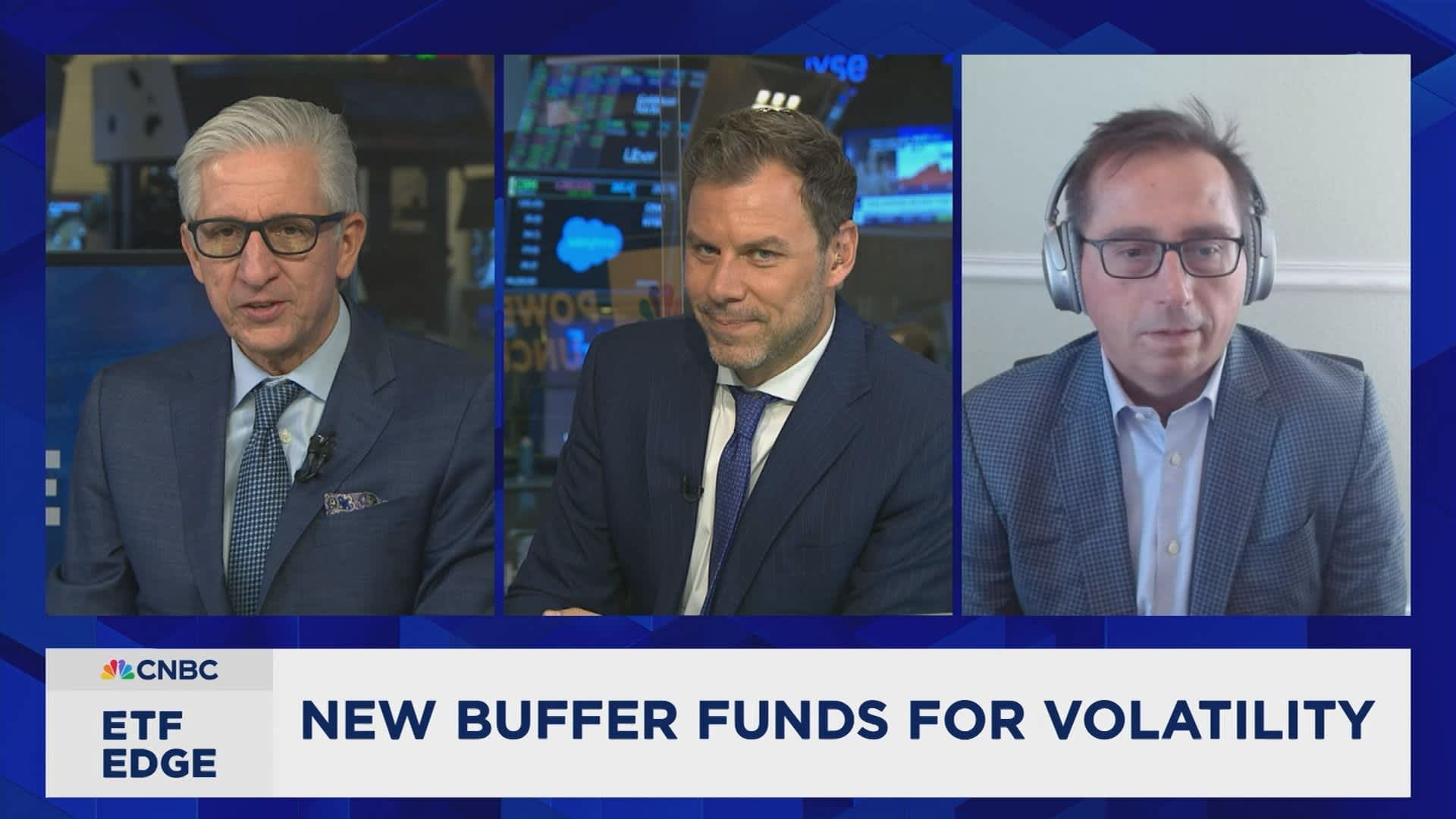
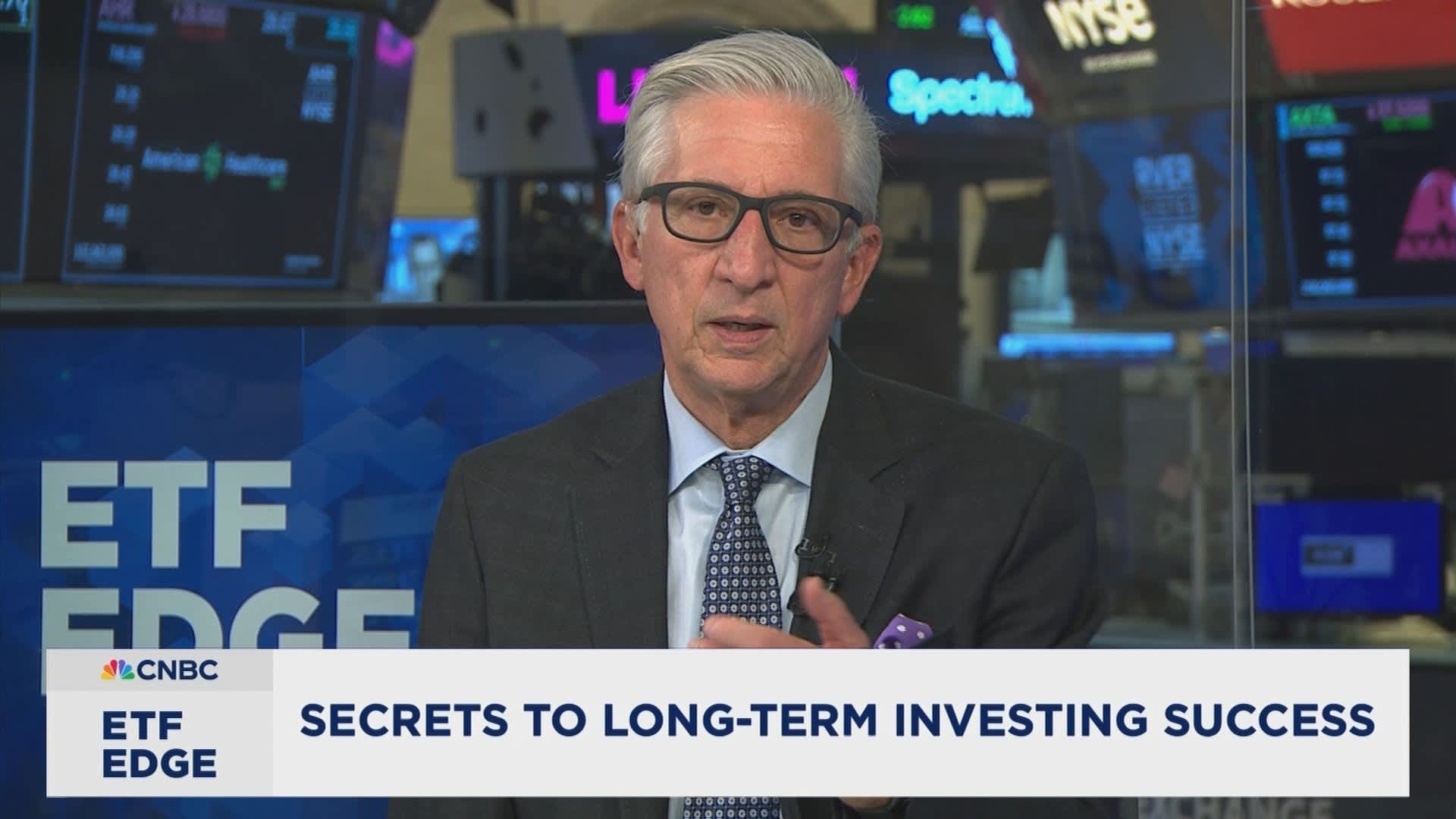
Index investing pioneer Charley Ellis says what gave rise to the success of the index fund remains true today: “It’s virtually impossible to beat the market,” he told CNBC’s Bob Pisani on last Monday’s “ETF Edge

.”

But Ellis warns of another hurdle just as high as active management’s long-term underperformance that holds back many investors: You might be your own worst enemy when it comes to your investment strategy. 

The market’s complexities, volatility and an infinite number of other variables can cause unpredictable price fluctuations, but your own mindset is just as key among the variables that can set your financial portfolio back.

In his new book, “Rethinking Investing,” Ellis details a slew of unconscious biases that impact our thinking about money in the market. A few of the big ones he addresses in the book:

  • The gambler’s fallacy: The belief that because you were right picking one stock, you will be right picking all other stocks.
  • Confirmation bias: Seeking information that confirms pre-existing beliefs.
  • Herd mentality: Blindly following actions of a larger group.
  • Sunk cost fallacy: Continuing to invest in failing investments.
  • Availability: Being influenced by easily accessible information, whether it is actually valuable or not.

More stories

Media trailblazer Tom Rogers changes ‘raging bull’ stance on Netflix, sees worrisome signs

July 26, 2025

‘Green light’ away from AI trade: Two ETF executives see a key market shift underway

November 27, 2025

T. Rowe Price sees this established strategy as way to ride out market volatility

April 25, 2025

More retirement investors opting for ‘good enough’ stock portfolio strategy to protect their market money

October 31, 2025

The impacts of these biases on your portfolio strategy can be major, Ellis says, and should lead investors to “rethink” their approach to the market.

“Instead of trying to get more, try to pay less,” he said. “That’s why ETFs … have made such great sense.”

More from ETF Edge

Research shows that ETFs typically have lower fees than traditional actively managed mutual funds, though traditional index mutual funds such as S&P 500 funds from Vanguard and Fidelity are also have ultra-low fees (some are even management fee-free). 

Ellis argues that use of lower fee funds, combined with letting go of our behavioral biases, can help investors win years, or even decades, later. 

“They’re boring, so we leave them alone, and they do work out over the long run, very, very handsomely,” he said. 

Long-time ETF expert Dave Nadig, who appeared on “ETF Edge” with Ellis, agreed. 

“People trying to predict people always works out terribly,” Nadig said. A long-term investment in an index fund “helps you overcome an enormous number of these biases simply because you’ll pay less attention to it,” he added. 

He also pointed to the mistake many investors make of trying to beat the market by timing it, only to end up outsmarting themselves. “There are more good days than bad days,” Nadig said. “If you’re missing the 10 best days in the market and you missed the worst 10 days in the market, you’re still much worse off than if you just stayed invested. The math on that’s pretty hard to argue with.”

One more mindset shift tip Ellis offered on this past week’s “ETF Edge” for investors focused on having enough invested for a secure retirement: Start thinking about the income stream from Social Security in a new way.

Disclaimer
Producer prices report points to softer Fed inflation measure than feared
Southwest Airlines to slash 15% of corporate jobs in ‘unprecedented’ move to cut costs
Related posts
  • Related posts
  • More from author
Finance

London’s answer to Wall Street gains momentum as major firms sign on

December 6, 20250
Finance

Is bitcoin really digital gold? In 2025, the leading crypto has failed to answer that question

December 5, 20250
Finance

Goldman Sachs acquires ETF firm for $2 billion in latest deal to bolster asset management division

December 4, 20250
Load more
Read also
Finance

London’s answer to Wall Street gains momentum as major firms sign on

December 6, 20250
Economy

Ukraine, trade, pandas: What China’s Xi and France’s Macron discussed in Beijing

December 6, 20250
Earnings

Week in review: Stocks rise, Meta gets real on metaverse, and Salesforce bounces

December 6, 20250
Business

From the California gold rush to Sydney Sweeney: How denim became the most enduring garment in American fashion

December 6, 20250
Finance

Is bitcoin really digital gold? In 2025, the leading crypto has failed to answer that question

December 5, 20250
Economy

Core inflation rate watched by Fed hit 2.8%, delayed September data shows, lower than expected

December 5, 20250
Load more
    © 2022, All Rights Reserved.
    • About Us
    • Advertise With Us
    • Contact Us
    • Disclaimer
    • Cookie Law
    • Privacy Policy
    • Terms & Conditions