Retailers bracing for consumer spending to drop are using President Donald Trump’s trade war
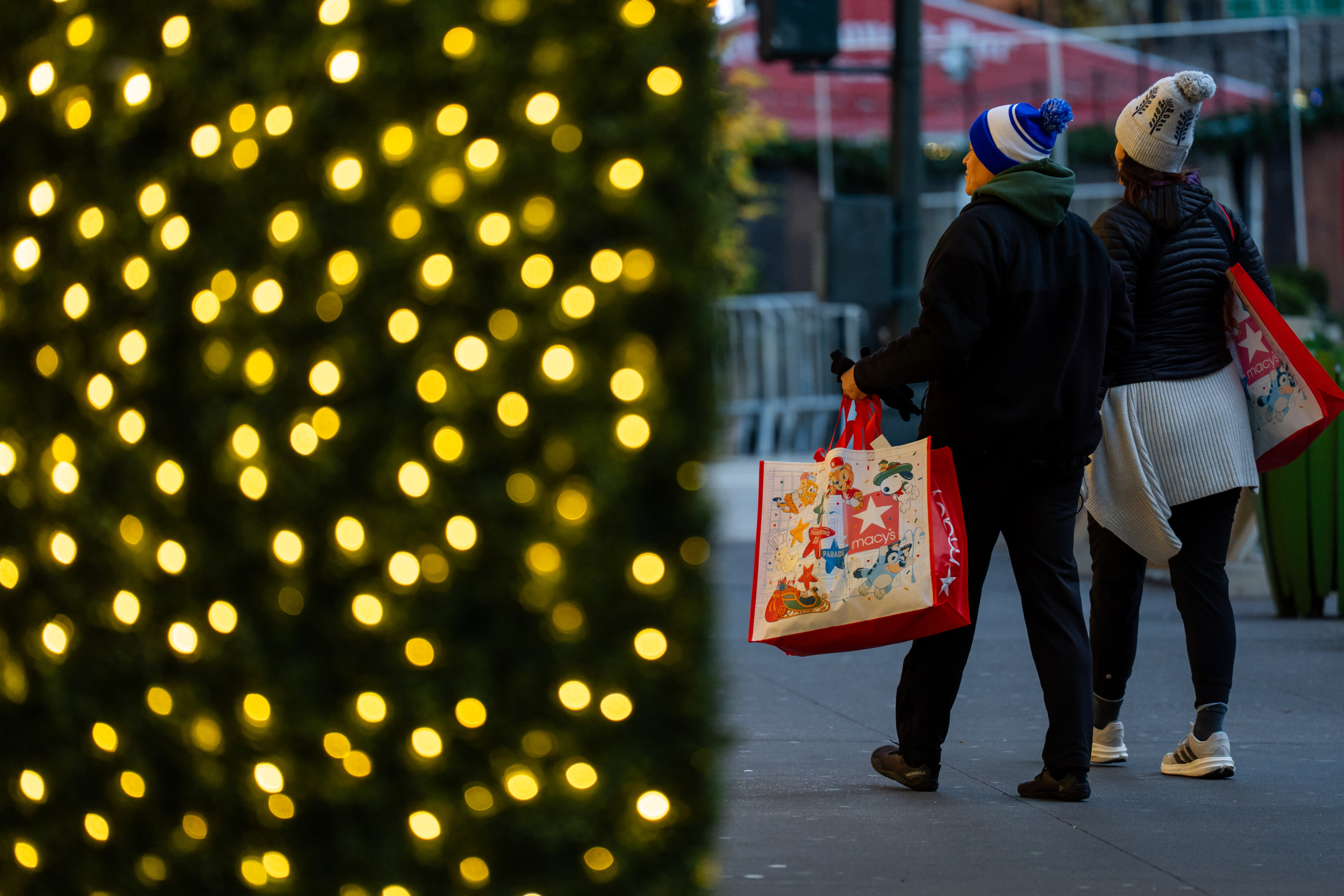
A host of private and direct-to-consumer brands such as Beis, Bare Necessities, Fashion Nova and Knix have mentioned tariffs in marketing campaigns in the weeks since Trump announced his plans for steep so-called reciprocal tariffs on dozens of countries.
While the administration later temporarily lowered rates for most countries, the announcement sent the retail industry into crisis mode because it is nearly impossible for businesses to plan while they don’t know how tariffs will ultimately shake out. Experts widely expect consumer spending will fall, creating challenges for companies big and small that could struggle to weather that storm.
Some companies importing goods from China that now face a 145% duty have paused or canceled orders, while those with supply chains in other parts of Asia such as Vietnam and Cambodia are trying to stock up now as higher tariffs are still on pause.
The exact impact varies by retailer, sector and brand. But Trump’s trade war poses an existential crisis to many retailers that make their money selling consumers products they could ultimately live without.
Some brands, such as lingerie store Bare Necessities, did an outright “pre-tariff sale.” The company offered discounts of around 30% as it told consumers to “stock up before tariffs hit.”
“Tariffs? No clue. A good deal? We got you. Save up to 30% before prices shift,” Bare Necessities said to customers in a text message. “We didn’t know how to spell tariff last week, but we do know this: up to 30% off is a good idea!” it said in another message.
Temporarily lowering prices as brands brace for costs to rise might feel counterintuitive, but anything retailers can do to “shore up their overall financials” ahead of a potential drop off in spending is a smart move, said Sonia Lapinsky, a partner and managing director at consulting firm AlixPartners.
“Retailers should be doing anything they can to get as much demand as possible, as soon as possible, because from our perspective, things are going to really fall off a cliff. … We’ve been seeing a very skittish customer since about February, March, and it’s only gotten worse as the tariff talk has gotten kind of more constant,” said Lapinsky.
“They don’t want to give away all the margin now, but it’s a trade-off, right? Like it’s better to have 80% of the dollars now versus having to clear things or not getting any demand in the door two months from now. I think they’re really desperately trying to kind of forecast what this year looks like, and having a really challenging time.”
For smaller brands that lack the scale and maturity of their larger counterparts, boosting cash flow before demand falls could be critical to their survival.
Tariffs are “going to impact every business, but I think it’s going to impact [smaller companies] more because they have fewer global options from their supply chain,” said Lauren Beitelspacher, a professor of marketing at Babson College in Massachusetts. “If you think about like a Target and a Walmart, I mean, they definitely have more of a global supply chain where they’re able to source from countries all around the world versus smaller brands … they have limited options.”
Pre-tariff promotions could be a reason why some spending data in March came in better than expected because some shoppers are making purchases now before prices rise — particularly big-ticket items such as cars.
“People who have the means are hearing all this talk, they’re hearing some of the advertisements, and they’re actually getting out there shopping so that they can get their purchases in before the prices go up,” said Lapinsky.
Other brands, such as luggage company Beis, did not do an outright pre-tariff sale. The brand sent a letter to shoppers explaining it did not know if prices would increase or by how much, but rates would not change — “for now.”
“Let’s skip the corporate-speak: This tariff situation is a complete dumpster fire, and we’re all getting burned. Here’s the situation: Costs are up, and unfortunately, our prices will have to follow suit,” Beis’ team wrote in the letter, adding that it is “financially traumatized.” “You’re probably wondering what this means for your cart. Unfortunately, so are we. Honestly, we’re just as confused as everyone else. But changes are coming. What kind of changes? Don’t know. When? Could be tomorrow or … ok we don’t know that either.”
The company leaned on humor in its message, telling shoppers “our spreadsheets have spreadsheets,” and said it has considered everything from “company-wide ramen diets” to an OnlyFans account to avoid raising prices. But within the jokes was a subtle call to action: “if you’ve been eyeing something, now might be a good time to make your move, as current pricing remains in effect — for now.”
Leaning on humor to discuss a politically divisive topic such as tariffs is strategic because most brands don’t want to alienate customers based on their political beliefs, said Barbara Kahn, a professor of marketing at The Wharton School.
“Trying to remove the stink from it … so they don’t have to take sides because the tariffs are not only an economic mechanism, they are linked to political beliefs,” said Kahn. “You are seeing a lot of brands trying to neutralize some of the political statements that they’ve made in the past and so I think something like humor would diffuse any kind of political issue and just make it into something: ‘Here’s a good deal. Take advantage of it.'”