skynesher | Getty Images
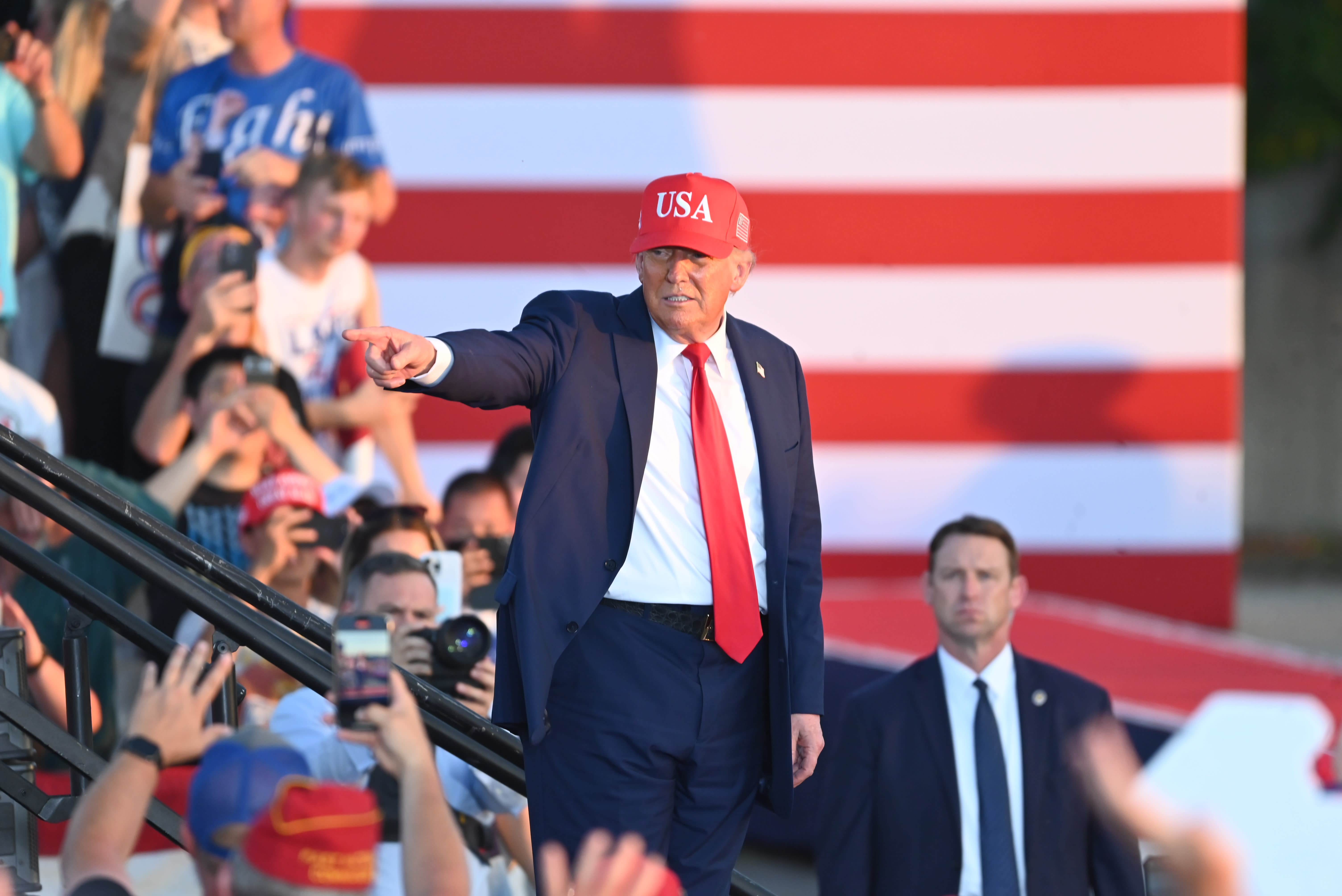
President Donald Trump‘s tariffs, aimed at reshoring American jobs lost to overseas manufacturing, could end up lowering domestic head count instead, according to recent statements from corporate executives and economic forecasters.
With the labor market already on its heels in a no-fire, no-hire climate, concerns are rising that the duties on U.S. imports will raise operating costs and force companies to start paring their employment rolls.
For instance, respondents to the Institute for Supply Management’s November survey of factory conditions expressed elevated levels of worry.
“We are starting to institute more permanent changes due to the tariff environment,” one transportation equipment executive wrote. “This includes reduction of staff, new guidance to shareholders, and development of additional offshore manufacturing that would have otherwise been for U.S. export.”
The ISM surveys do not identify respondents by name but rather by industry.
Similar comments were found elsewhere in report, which showed that the ISM manufacturing index edged further into territory signaling a decline in business conditions. The headline reading of 48.2% represents the share of businesses reporting expansion, so anything below 50% is indicative of contraction.

The survey’s employment gauge fell 2 points to 44%, its lowest reading since August and consistent with the gradual but persistent trend of labor market softening.
There were other signs that the labor picture is darkening heading into 2026.
Trump has pushed hard for energy exploration and increased utilization of fossil fuels. But an ISM respondent from the petroleum and coal industry reported, “No major changes at this time, but going into 2026, we expect to see big changes with cash flow and employee head count. The company has sold off a big part of the business that generated free cash while offering voluntary severance packages to anyone.”
One manager in the electrical equipment, appliances and components business said tariffs are causing a tougher business climate than during the Covid crisis.
“Conditions are more trying than during the coronavirus pandemic in terms of supply chain uncertainty,” the respondent said.
Conflicting signals
To be sure, broader economic conditions remain fairly stable.
Third-quarter gross domestic product is tracking at a 3.9% annualized growth rate, according to the Atlanta Federal Reserve. Moreover, hiring in September was stronger than expected, with nonfarm payrolls up by 119,000, even with signs that major employers are cutting. Amazon, for instance, announced in late October that it was slashing up to 30,000 jobs, joining other large employers announcing cutbacks.
A report Tuesday from the 38-nation Organization for Economic Cooperation and Development indicated that tariffs have yet to bite the global economy but warned that the full impact could be still to come.
“The impacts of higher tariff rates are yet to be fully felt in the U.S. economy,” the report from the Paris-based OECD said. The report noted a “sharp decrease in the value of U.S. imported goods subject to tariffs” which “suggests that tariffs are affecting demand, and will continue to weigh on trade volumes as announced tariffs come into full effect.”
Those kinds of risks set up challenges for the labor market in the year ahead.
An economic report from the Federal Reserve last week also noted that employment “declined slightly” over the past seven weeks or so, while manufacturers reported that “tariffs and tariff uncertainty remained a headwind.”
Commentary out of the Cleveland Fed reflected both sides of the tariff coin: “One large retailer’s average costs had increased around 20 percent year-over-year because of tariffs, and it was trying to determine how it would distribute these increases. By contrast, another large retailer did not anticipate further cost increases, stating that tariff impacts had stabilized.”