A Chipotle store stands in the Bronx on April 23, 2025 in New York City.
Spencer Platt | Getty Images
From Procter & Gamble to Chipotle, consumer companies are slashing their forecasts, projecting that tariffs will weigh on their profits and put more pressure on an already shaky consumer.
At least a dozen companies have cut or pulled their full-year outlooks so far this earnings season, with several more weeks of quarterly reports still on deck.
For many companies, tariffs mean higher prices on key commodities, like Peruvian avocados or saccharin to make toothpaste, which will eat into their earnings. But the uncertainty bred by the trade war is just as damaging to businesses’ bottom lines as consumers pull back their spending.
The cautious projections come in the middle of a 90-day pause of the higher rates under President Donald Trump‘s so-called reciprocal tariff plan. Until early July, most imports will face a duty of 10%, excluding goods from China — which are subject to 145% duties — along with aluminum, cars and other nonexempt items.
Still, the situation changes almost daily. Treasury Secretary Scott Bessent told investors in a closed-door meeting on Tuesday he expects “there will be a de-escalation” in Trump’s trade war with China in the “very near future.” The White House also said Wednesday that automakers could win exemptions for some tariffs.
Higher prices to fight lower profits
Packages of Cascade Platinum Plus dishwasher detergent are stacked at a Costco Wholesale store on March 11, 2025 in San Diego, California.
Kevin Carter | Getty Images
Under the tariffs in effect now, coffee, board games and aircraft are all more expensive for companies to make. Many executives will likely choose to raise prices to mitigate the dent to profit margins.
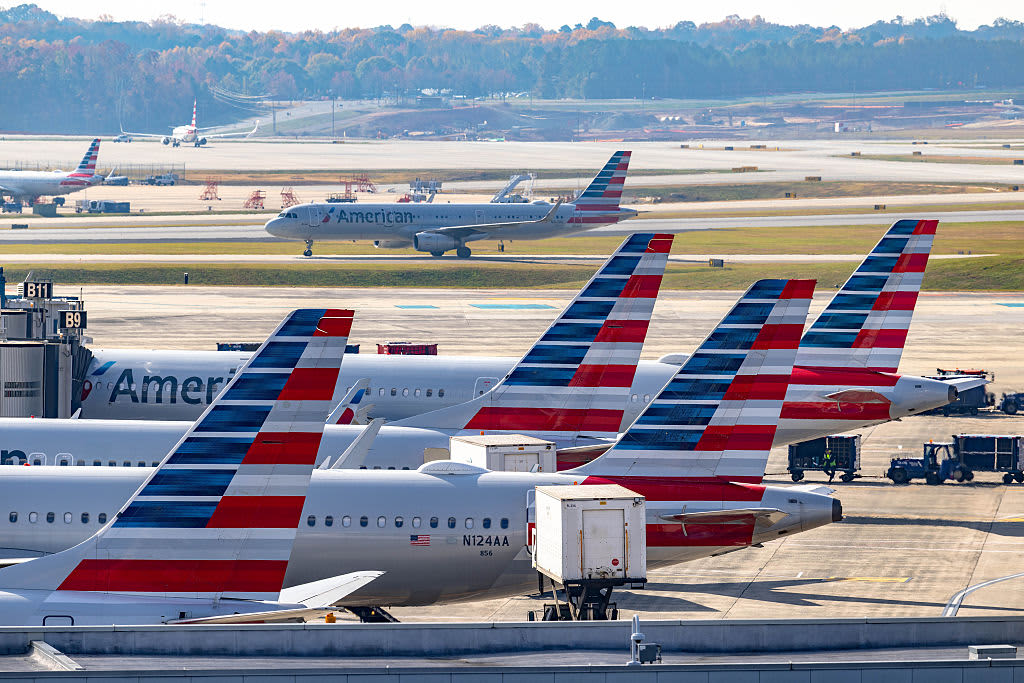
“Aircraft cost too much already. I don’t want to pay any more for aircraft,” American Airlines CEO Robert Isom said Thursday. “It doesn’t make sense. And certainly, we’re pulling guidance. Certainly, this is not something we would intend to absorb. And I’ll tell you, it’s not something that I would expect our customers to welcome. So we’ve got to work on this.”
Tariffs worldwide, including retaliatory ones and not just those in the U.S., will “really pressure” progress in improving the industry’s supply chain, Airbus Americas CEO Robin Hayes said at a Wings Club luncheon in New York on Thursday. The U.S. aerospace industry has a trade surplus, helping soften the country’s overall deficit.
Calls are growing among airlines and aerospace suppliers to reinstate the terms of a more than 45-year-old agreement that allows the industry to operate mostly duty-free. Other industries are also pushing for exemptions from tariffs.

But barring cuts in tariff rates or new carveouts for goods, travel isn’t the only sector that will see price hikes. P&G, Keurig Dr Pepper and Hasbro all said Thursday that they could raise prices in the near future to offset higher costs.
“There will likely be pricing [changes] — tariffs are inherently inflationary — but we’re also looking at sourcing options,” P&G CEO Jon Moeller said on CNBC’s “Squawk Box.”
Though it predicted costs to produce its coffee and sodas would rise, Keurig Dr Pepper did not lower its full-year forecast. The company posted strong earnings growth for the first quarter, bolstered by the sale of its minority stake in coconut water maker Vita Coco, giving the beverage giant the flexibility to reiterate its outlook.
A ‘nervous’ consumer
shopper scans coupons in a grocery store in Washington, D.C.
Tom Williams | Cq-roll Call, Inc. | Getty Images
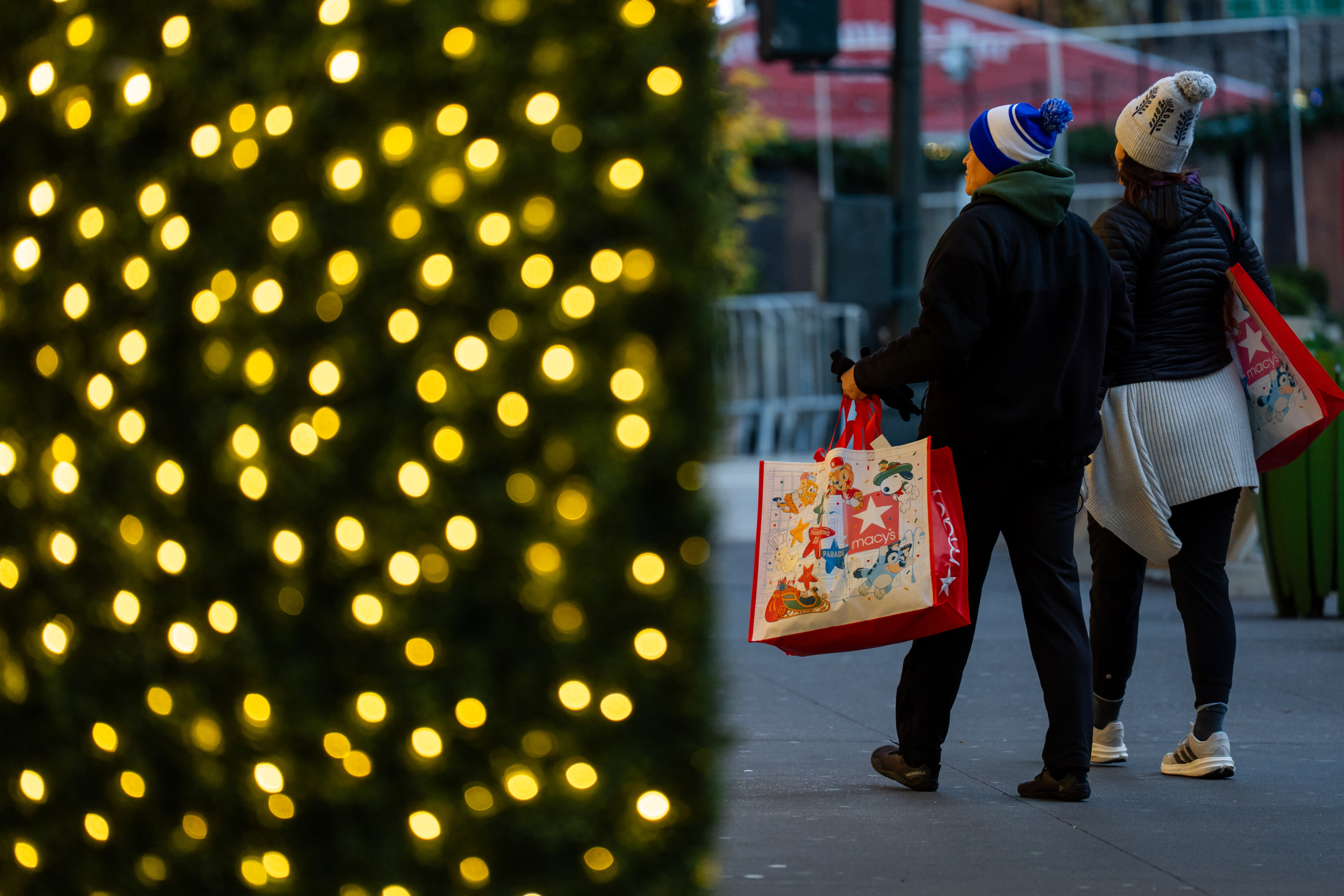
The tariffs will take time to affect the prices on grocery store shelves and inside malls. But they’re already taking a toll on shoppers’ mentally.
Earlier this month, U.S. consumer sentiment tumbled to its second-lowest reading since 1952. Shoppers are already pulling back their spending as they fear accelerated inflation, job losses and a potential recession, companies said this week.
“The main driver, I would say, is a more nervous consumer reducing consumption in the short term, and the impact on the cost structure and our ability to deliver the earnings a lower growth rate,” P&G CFO Andre Schulten said on a call with media on Thursday, explaining the company’s reasoning for cutting its forecast.
P&G, which owns top household brands like Charmin and Tide, lowered its outlook for core earnings per share and revenue for the full fiscal year, which is in its final quarter. Its third-quarter sales fell short of Wall Street’s estimates.
“It’s not illogical to see the consumer adopt the ‘wait and see’ attitude, and we saw traffic down at retailers,” Schulten said.
PepsiCo, another grocery store staple, cited a “subdued” consumer — along with tariffs — as the reason it cut its forecast for full-year core constant currency earnings per share.
The anxious consumer is also weighing on Chipotle, the first of the major publicly traded restaurant companies to report its results.
The burrito chain lowered the top end of its outlook for full-year same-store sales growth. Executives said traffic started slowing in February as diners began worrying more about their finances. The trend has continued into April.
“We could see this in our visitation study, where saving money because of concerns around the economy was the overwhelming reason consumers were reducing the frequency of restaurant visits,” Chipotle CEO Scott Boatwright told analysts on Wednesday.
For its part, Hasbro opted to reiterate its forecast, which gives a wide range of a $100 million to $300 million headwind to its business from tariffs. The toy company’s outlook assumes that the China tariffs could range from 50% to the current rate of 145%.
Executives also warned of potential job losses tied to the increased costs.
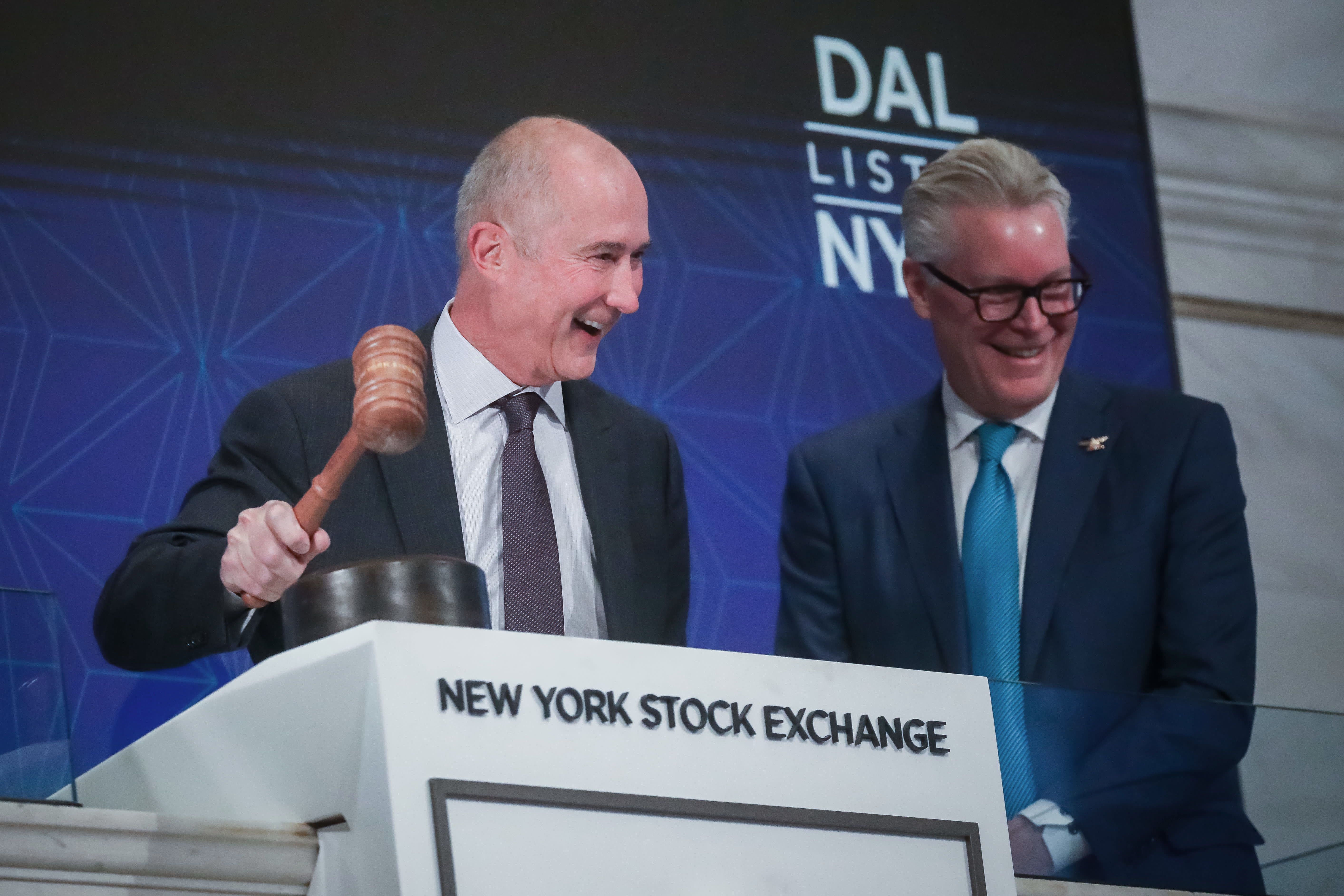
Airlines, too, are seeing weaker demand, particularly in their economy cabins. Delta Air Lines CEO Ed Bastian told CNBC in an interview earlier this month that Trump’s tariff policy at the time was the “wrong approach” and that it was hurting both domestic economy-class demand and corporate travel because of the uncertainty.
American Airlines on Thursday pulled its 2025 financial guidance, joining Southwest Airlines, Alaska Airlines and Delta, each citing a U.S. economy that is too difficult to predict. United Airlines took the unusual step of offering two outlooks should the U.S. economy worsen, but still expects to make money this year.
— CNBC’s Leslie Josephs contributed to this report.