Dilara Irem Sancar | Anadolu | Getty Images
China last week announced it was done retaliating against U.S. President Donald Trump’s tariffs, saying any further increases by the U.S. would be a “joke,”
Instead of continuing to focus on tariffing goods, however, China has chosen to resort to other measures, including steps targeting the American services sector.
Trump has jacked up U.S. levies on select goods from China by up to 245% after several rounds of tit-for-tat measures with Beijing in recent weeks. Before calling it a “meaningless numbers game,” China last week imposed additional duties on imports from the U.S. of up to 125%.
While the Trump administration has largely focused on pressing ahead with tariff plans, Beijing has rolled out a series of non-tariff restrictive measures including widening export controls of rare-earth minerals and opening antitrust probes into American companies, such as pharmaceutical giant DuPont and IT major Google.
Before the latest escalation, in February Beijing had put dozens of U.S. businesses on a so-called “unreliable entity” list, which would restrict or ban firms from trading with or investing in China. American firms such as PVH, the parent company of Tommy Hilfiger, and Illumina, a gene-sequencing equipment provider, were among those added to the list.
Its tightening of exports of critical mineral elements will require Chinese companies to secure special licenses for exporting these resources, effectively restricting U.S. access to the key minerals needed for semiconductors, missile-defense systems and solar cells.
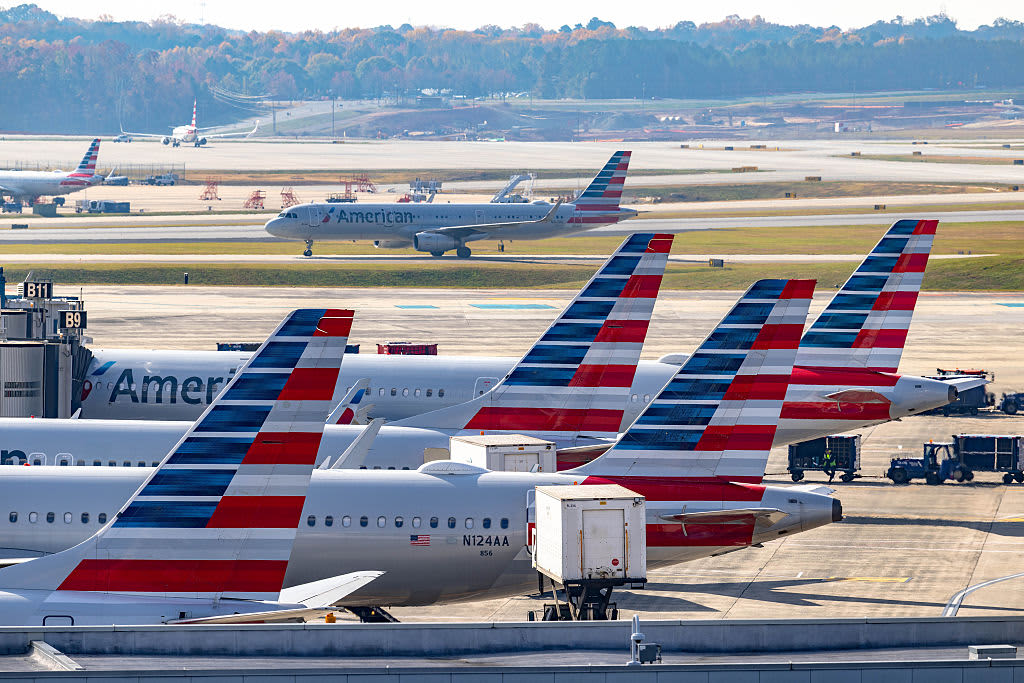
In its latest move on Tuesday, Beijing went after Boeing — America’s largest exporter — by ordering Chinese airlines not to take any further deliveries for its jets and requested carriers to halt any purchases of aircraft-related equipment and parts from U.S. companies, according to Bloomberg.
Having deliveries to China cut off will add to the cash-strapped plane maker’s troubles, as it struggles with a lingering quality-control crisis.
In another sign of growing hostilities, Chinese police issued notices for apprehending three people they claimed to have engaged in cyberattacks against China on behalf of the U.S. National Security Agency.
Chinese state media, which published the notice, urged domestic users and companies to avoid using American technology and replace them with domestic alternatives.
“Beijing is clearly signaling to Washington that two can play in this retaliation game and that it has many levers to pull, all creating different levels of pain for U.S. companies,” said Wendy Cutler, vice president at Asia Society Policy Institute.
“With high tariffs and other restrictions in place, the decoupling of the two economies is at full steam,” Cutler said.
Targeting trade in services
China is seen by some as seeking to broaden the trade war to encompass services trade — which covers travel, legal, consulting and financial services — where the U.S. has been running a significant surplus with China for years.
Earlier this month, a social media account affiliated with Chinese state media Xinhua News Agency, suggested Beijing could impose curbs on U.S. legal consultancy firms and consider a probe into U.S. companies’ China operations for the huge “monopoly benefits” they have gained from intellectual-property rights.
China’s imports of U.S. services surged more than 10-fold to $55 billion in 2024 over the past two decades, according to Nomura estimates, driving U.S. services trade surplus with China to $32 billion last year.
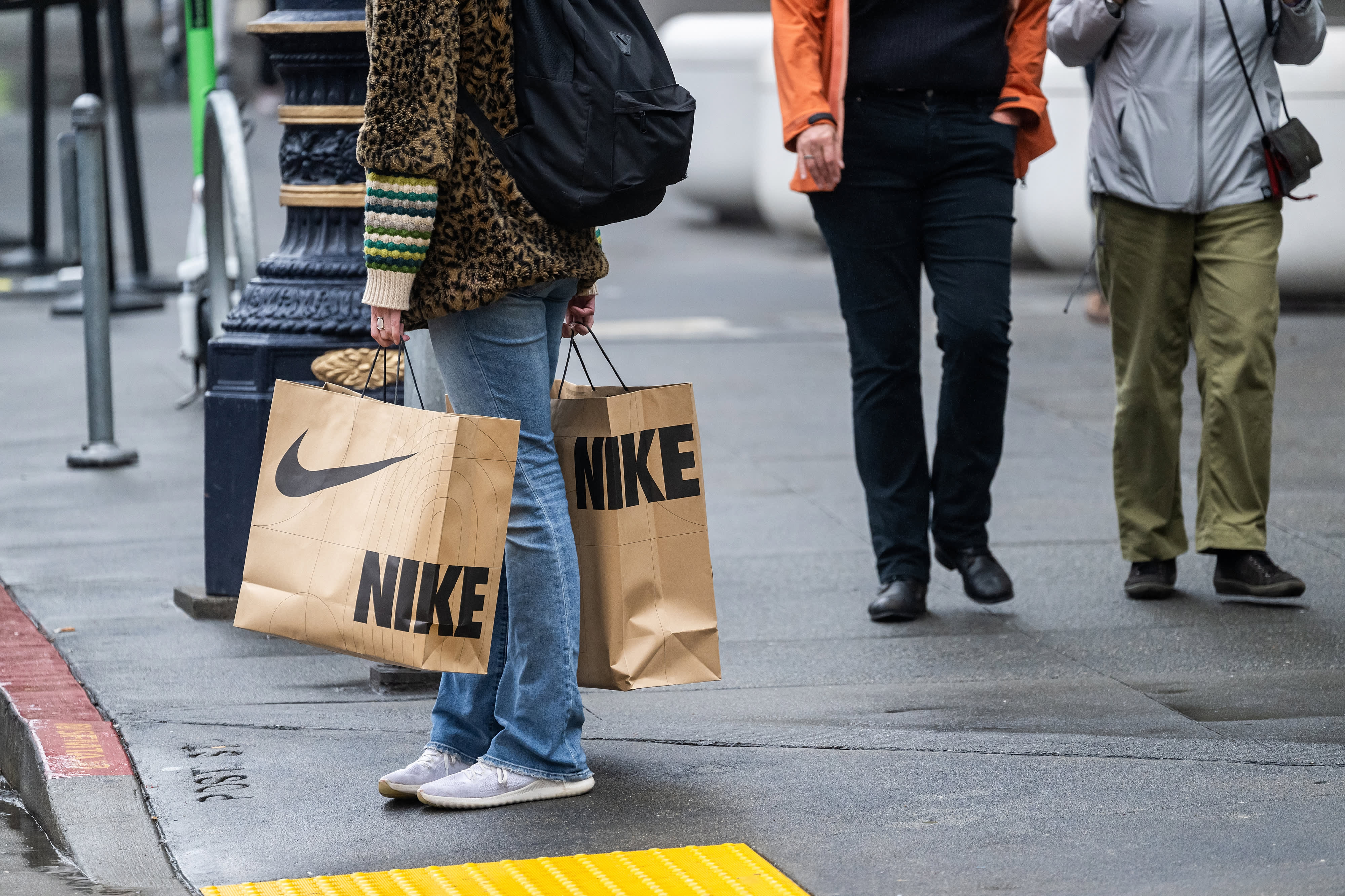
Last week, China said it would reduce imports of U.S. films and warned its citizens against traveling or studying in the U.S., in a sign of Beijing’s intent to put pressure on the U.S. entertainment, tourism and education sectors.
“These measures target high-visibility sectors — aviation, media, and education — that resonate politically in the U.S.,” said Jing Qian, managing director at Center for China Analysis.
While they might be low on actual dollar impact given the smaller scale of these sectors, “reputational effects — such as fewer Chinese students or more cautious Chinese employees — could ripple through academia and the tech talent ecosystem,” he added.
Nomura estimates $24 billion could be at stake if Beijing significantly step up restrictions on travel to the U.S.

Subscribe now
Travel dominated U.S. services to China, reflecting expenditure by millions of Chinese tourists in the U.S., according to Nomura. Within travel, education-related spending leads at 71%, it estimates, mostly coming from tuition and living expenses for the more than 270,000 Chinese students studying in the U.S.
Entertainment exports, encompassing films, music and television programs, accounted for just 6% of U.S. exports within this sector, the investment firm said, noting that Beijing’s latest move on film imports “carries more symbolic heft than economic bite.”
“We could see deeper decoupling — not only in supply chains, but in people-to-people ties, knowledge exchange, and regulatory frameworks. This may signal a shift from transactional tension to systemic divergence,” said Qian.
Could Beijing get more aggressive?
Analysts largely expect Beijing to continue deploying its arsenal of non-tariff policy tools in an effort to raise its leverage ahead of any potential negotiation with the Trump administration.
“From the Chinese government’s perspective, the U.S. companies’ operations in China are the biggest remaining target for inflicting pain on the U.S .side,” said Gabriel Wildau, managing director at risk advisory firm Teneo.
Apple, Tesla, pharmaceutical and medical device companies are among the businesses that could be targeted as Beijing presses ahead with non-tariff measures, including sanction, regulatory harassment and export controls, Wildau added.
Shoppers and staff are seen inside the Apple Store, with its sleek modern interior design and prominent Apple logo, in Chongqing, China, on Sept. 10, 2024.
Cheng Xin | Getty Images
While a deal may allow both sides to unwind some of the retaliatory measures, hopes for near-term talks between the two leaders are fading fast.
Chinese officials have repeatedly condemned the “unilateral tariffs” imposed by Trump as “bullying” and vowed to “fight to the end.” Still, Beijing has left the door open for negotiations but they must be on “an equal footing.”
Earlier this week, White House press secretary Karoline Leavitt said Trump is open to making a deal with China but Beijing needs to make the first move. “The ball is in China’s court: China needs to make a deal with us but we don’t have to make a deal with them,” she said.
In response to that remark, a spokesperson for China’s ministry of commerce said at a daily briefing Thursday that Beijing is open to negotiate with Washington on economic and trade issues, but the U.S. must “stop its threats and blackmailing,” according to a CNBC translation.
“In the end, only when a country experiences sufficient self-inflicted harm might it consider softening its stance and truly returning to the negotiation table,” said Jianwei Xu, economist at Natixis.