People shop for pet supplies at a pet retail store in New York City, Aug. 12, 2025.
Spencer Platt | Getty Images
Goldman Sachs is taking the heat for its call that heavier tariff-induced consumer inflation is ahead, but it’s far from alone in that view among its Wall Street brethren.
Despite investors’ embrace of Tuesday’s fairly benign consumer price index report, economists expect that the biggest impact to inflation is yet to come.
With pre-tariff inventories rolling off, effective tariff rates climbing higher and companies less willing to absorb higher costs from the duties, the general feeling is that consumers are increasingly going to feel the bite through the rest of the year.
“Tariffs could subtract 1% from GDP and add 1-1.5% to inflation, some of which has already occurred,” Michael Feroli, chief U.S. economist at JPMorgan Chase, said in a note. “There is considerable uncertainty around the degree of pass-through to consumer prices, given that this year’s tariff increases are well larger than anything in the post-war US experience.”
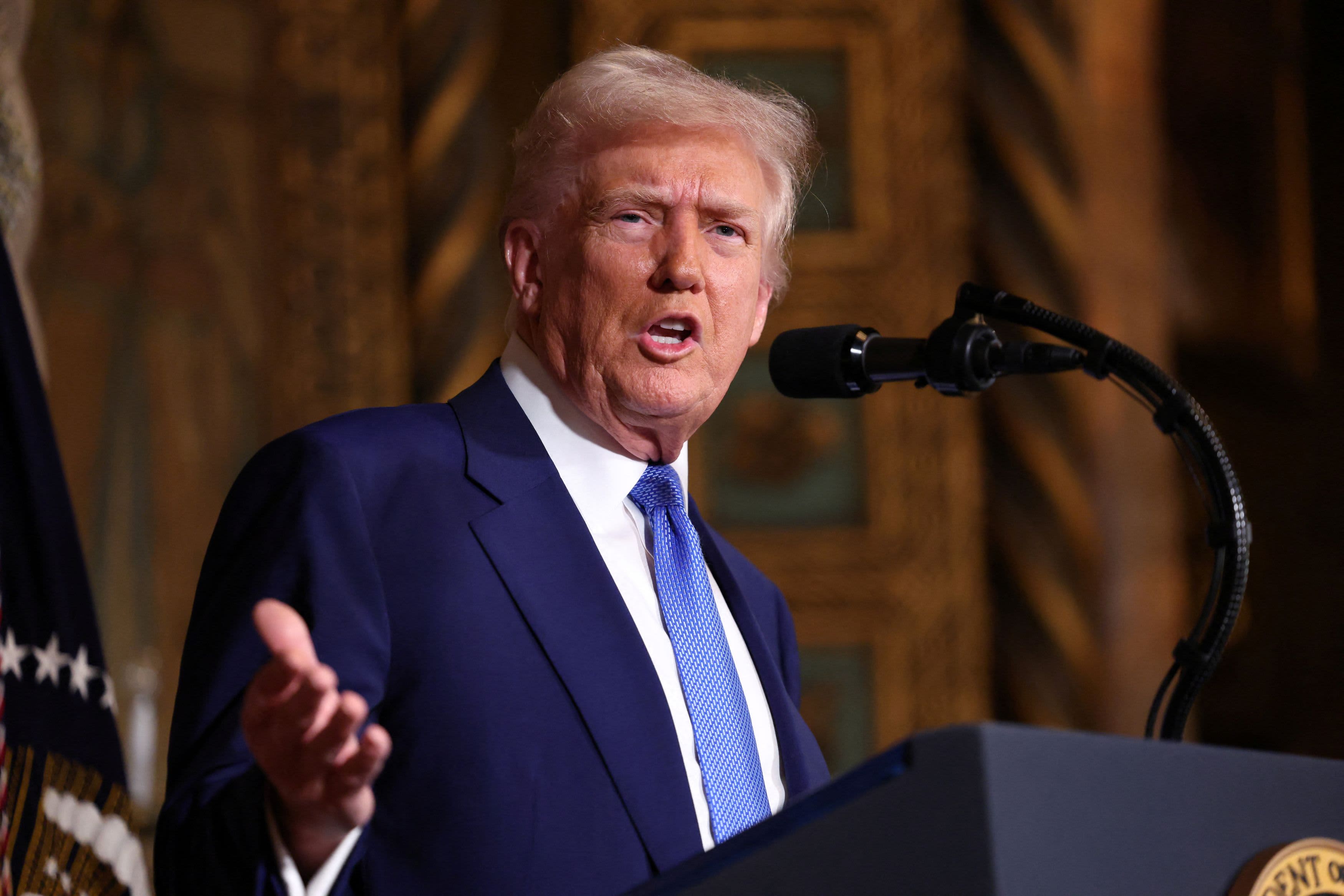
President Donald Trump lambasted Goldman Sachs on Tuesday for research the firm’s economists released over the weekend asserting that consumers will take on a significantly stronger hit from tariffs through the end of the year. Goldman Sachs economist David Mericle, appearing Wednesday on CNBC, defended the call and said the firm was undeterred by Trump’s criticism.
In a Truth Social post, the president suggested CEO David Solomon fire the economist who wrote the piece or consider resigning himself.
However, if every market economist who is in the same camp on tariff impacts were to be dismissed, there would be a lot of empty desks on Wall Street.
Inflation to creep higher


Most see at least a steady grind higher in prices as tariff clarity emerges and what looks to be effective rates around 18% — compared with around 3% at the start of the year — take root, with some caveats.
“It appears that the downward trend in core inflation has been broken as tariffs start to feed through into retail prices,” UBS senior economist Brian Rose wrote. “We expect inflation to continue on a gradual upward trend as businesses pass along their higher costs, but slowing shelter inflation and push-back from increasingly stretched consumers should help offset some of the tariff impact.”
No one is predicting runaway inflation — more like monthly gains of 0.3%-0.5%. That’s enough to push the Federal Reserve’s preferred core measure to somewhere in the low- to mid-3% range.
Moreover, whatever the acceleration ends up being, it’s not expected to dissuade the Fed from starting to lower interest rates after staying on the sidelines through all of 2025 so far. Economists figure a deteriorating labor market along with a belief that the inflation move will be temporary will allow for easier monetary policy.
However, in the near term rising inflation could hold back consumer spending and dent growth through the rest of the year. JPMorgan sees the hit to gross domestic product, two-thirds of which comes from consumption, at “a bit under 1%.”
The Blue Chip Economic Indicators report for August, which surveys the leading economic names on Wall Street, sees GDP growth averaging just 0.85% in the second half of this year. But that’s actually better than the 0.75% forecast from July as some of the most pessimistic forecasters changed their outlooks on the view “that the constraining effect of tariffs is expected to be temporary, as projected growth improves considerably next year,” the August report said.
Worries ahead
Causes for concern in the near term include the Aug. 29 expiration of de minimis tariff exceptions, which had allowed goods valued at under $800 to enter the U.S. duty-free. That could hit retail goods in particular.
Pantheon Macroeconomics forecasts a 1 percentage point gain to core inflation, which it sees ultimately hitting 3.5% by the end of the year.
“Only about a quarter of that uplift has filtered through to consumers so far, so we see a strong chance core goods prices will rise at a faster pace over coming months,” the firm said.
BNP Paribas noted that it expects the price increases to go beyond goods as recent surveys are “suggesting upward pressure in services input prices.”
“The Fed’s main worry about inflation is less the exact level and more the question of stickiness,” the firm added in a note. “The July [CPI] print, with surprising strength in core services, is therefore not compellingly good news.”
The issue of inflation “stickiness” is important as well.
The Cleveland Fed’s measure of sticky-price CPI inflation, which includes items such as rent, food away from home, insurance, household furnishings and the like, has shown a steady uptick. It’s at 3.8% on a three-month annualized basis, the highest since May 2024. Flexible-price inflation, such as food, energy and motor vehicle parts, is running much lower.
“Tariffs will lead to higher inflation in the months ahead,” PNC chief economist Gus Faucher wrote. “With the core CPI picking up in July, and higher prices coming as businesses pass along higher tariff costs to their customers, core PCE inflation is set to move even further above the Fed’s target in the months ahead.”
Though most of the Street expects the path to rate cuts opening, higher inflation could give policymakers some hesitation even with a weaker labor market, Faucher said.