Amazon CEO Andy Jassy looks on during an Amazon Devices launch event in New York City, U.S., February 26, 2025. REUTERS/Brendan McDermid
Brendan Mcdermid | Reuters
Amazon on Thursday reported second-quarter earnings that beat expectations on most metrics, but the results weren’t good enough to please Wall Street.
Amazon stock slid following the release and throughout the conference call. Shares closed down 8% on Friday. The stock is down roughly 2% year to date.
Profit guidance was weaker than expected, while cloud growth underwhelmed investors.
That overshadowed an otherwise upbeat report that included strong revenue and profits, steady retail growth and a 23% increase in advertising sales. Amazon also offered a rosy revenue forecast for the current quarter.
Here are three key takeaways from Amazon’s earnings:
AI spending boost
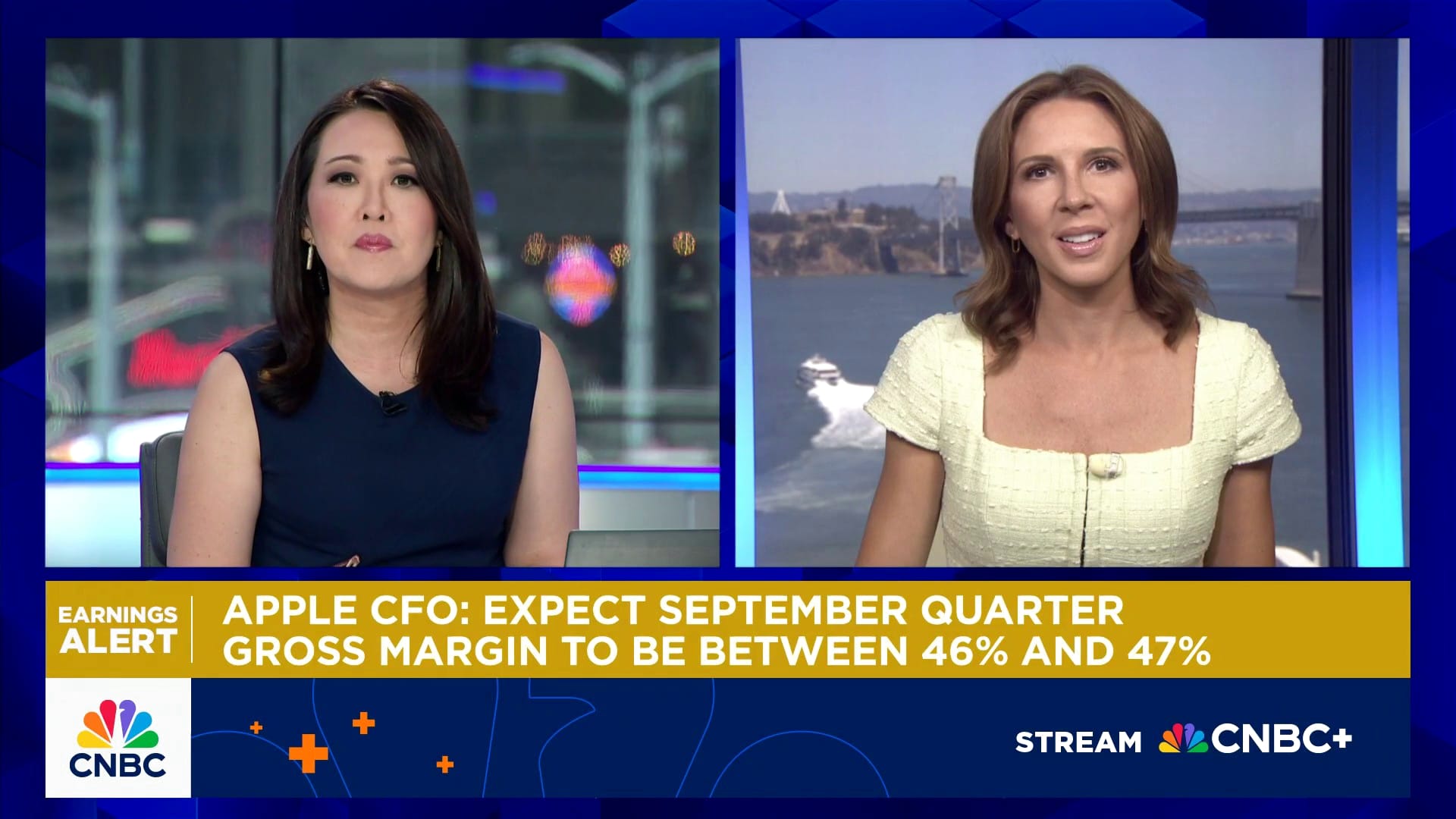
Amazon reported that it spent $31.4 billion on capital expenses in the last quarter, and the company expects that to be “reasonably representative” of its spending in the second half of the year. In the first quarter, Amazon’s capital expenditures exceeded $24 billion.
Taken together, it means that Amazon could spend an upwards of $118 billion on capital expenditures this year, up from its previous forecast of $100 billion. Amazon’s capex, which hit $83 billion a year ago, is primarily going toward building out tech infrastructure to support artificial intelligence demand.
Amazon’s competitors are also throwing big money at AI.
On Wednesday, Meta lifted its forecast for capital spending to a range of $66 billion to $72 billion. Google parent Alphabet raised its capital spend last week to $85 billion this year.
The question on investors’ minds is when these big AI bets will begin to pay off in revenue or profit.
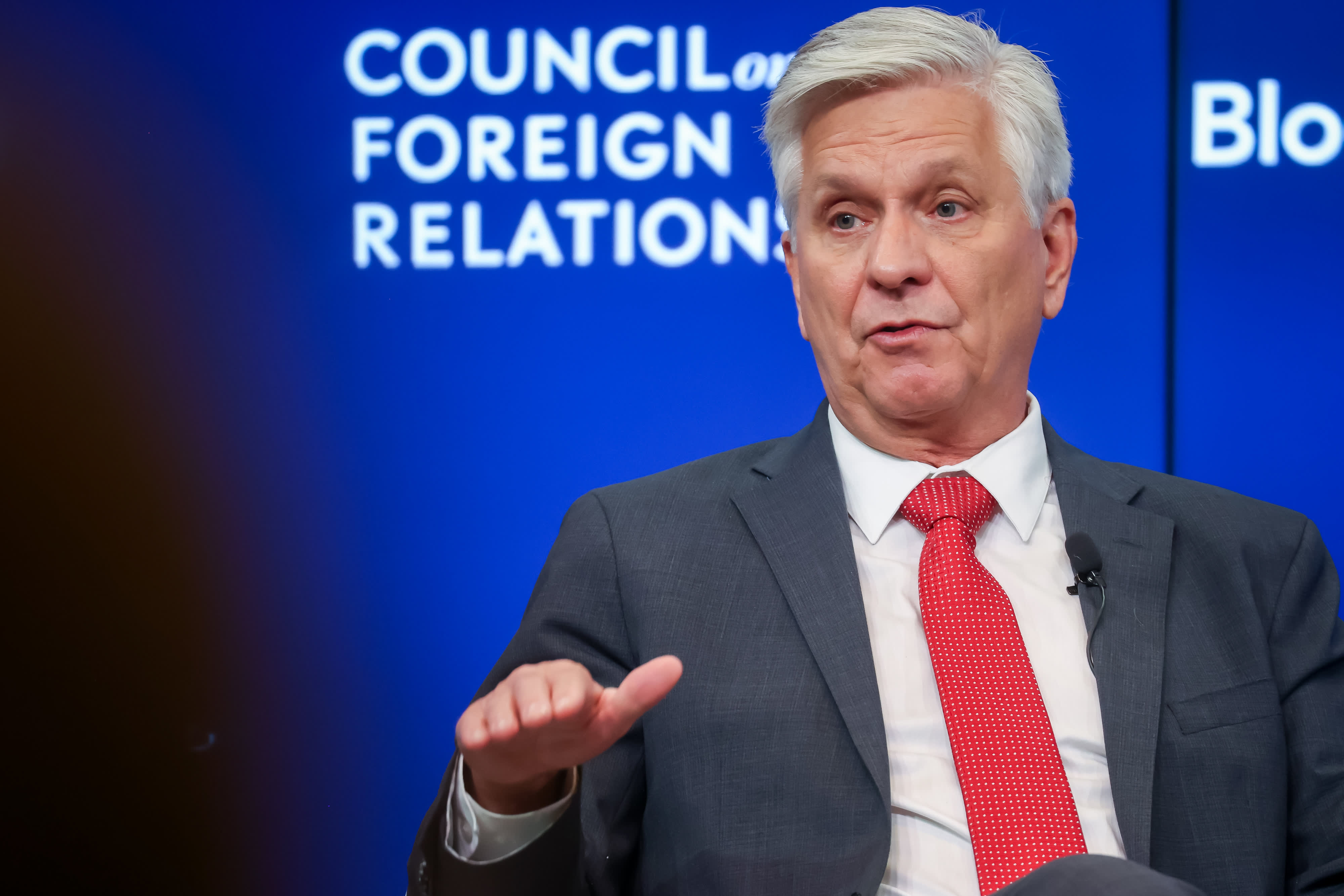
Amazon CEO Andy Jassy hinted the company’s progress on AI has improved its “operational efficiency and business growth,” but offered few specifics beyond that.
Amazon has also said previously that generative AI is contributing revenue to AWS at an annualized rate equivalent to “multiple billions of dollars.”
On a conference call with investors, Jassy pointed to Alexa+, an upgraded version of its digital assistant, as a way it could monetize AI. The service, which launched in early access in late March, is $19.99 a month, or free for Prime members.
“I think over time, you could also imagine, as we keep adding functionality that there could be some sort of subscription element beyond what there is today,” Jassy said.
Jassy reiterated that it’s “very early days” in AI development and adoption.
Cloud rivals
Amazon Web Services continues to lead the cloud infrastructure market, but it’s facing steeper competition from Microsoft Azure and Google Cloud, which posted stronger growth rates in their latest quarterly results.



AWS grew its revenue by 18% year over year, which just beat Wall Street’s estimates. That trailed the big gains reported by Microsoft and Alphabet. The companies recorded cloud growth rates of 39% and 32%, respectively.
Analysts asked Amazon leadership on the call why its cloud business isn’t growing as quickly as its rivals.
“There is a Wall Street finance person narrative right now that AWS is falling behind in generative AI with concerns about share loss to peers, etcetera,” said Morgan Stanley analyst Brian Nowak. The firm has an overweight rating on Amazon’s stock.
Attendees walk through an exposition hall at AWS re:Invent, a conference hosted by Amazon Web Services, in Las Vegas on Dec. 3, 2024.
Noah Berger | Getty Images
JPMorgan analyst Doug Anmuth said there’s been “significantly faster cloud growth among the number two and number three players in the space.”
Jassy said sometimes the company is growing faster than rivals, and vice versa, but AWS still has a “meaningfully larger” cloud business.
“I think the second player is about 65% of the size of AWS,” he said.
Jassy also appeared to take a swipe at Microsoft over a recent worldwide attack on its SharePoint collaboration software, saying AWS customers see a “very big difference” in security.
“You could just look at what’s happened the last couple months, you can just see kind of adventures at some of these players almost every month,” Jassy said.
The comments failed to sway some investors.
Bernstein analysts said Friday that the “tone wasn’t great” and Amazon’s explanation for its competitive positioning and trajectory “sounded less constructive than peers.”
“Words matter…but numbers matter more,” the analysts wrote.
Tariff risk better than feared
In May, Amazon warned it was bracing for potential uncertainty ahead linked to President Donald Trump‘s shifting tariff and trade policies.
At the time, products imported from China were subject to a steep 145% levy. That threatened to drive up costs for Amazon vendors and its millions of third-party sellers, raising concerns of price increases and a drop-off in consumer demand.
Since then, the U.S. and China have reached a truce, with China now facing a 30% combined tariff rate.
Amazon’s latest earnings showed the company seems to be navigating the tariffs and shifting trade policies better than Wall Street had feared.
Sales in its online store topped analysts projections and grew 11% year over year, while seller services revenue also beat expectations. The number of items sold in Amazon’s online and physical stores jumped 12%, indicating that the consumer remains “healthy” despite tariffs and economic uncertainty, analysts at Citizens wrote in a Friday note to clients.
Amazon’s third-quarter sales forecast, which implies 13% growth at the high end, suggests “tariffs appear to have been effectively absorbed by suppliers, merchants and customers,” Citizens analysts wrote. They have an outperform rating on the company’s shares.
Jassy struck a positive but cautious tone on the call, saying it’s “hard to know” where the tariffs will settle, especially when it comes to China.
“We’re unsure at this point who’s going to end up absorbing those higher costs,” he said.
A deal between the U.S. and China hasn’t been finalized, and the two countries have until Aug. 12 to reach a final agreement.
So far, Amazon has been able to weather Trump’s trade war.
“We just haven’t seen diminished demand, and we haven’t seen any kind of broad scale [average selling price] increases,” Jassy said on the call. “So that could change in H2. There are a lot of things that we don’t know, but that’s what we’ve seen so far.”