Mira Murati, Chief Technology Officer of OpenAI (L) and Dario Amodei,
Getty Images | CNBC
A version of this article first appeared in CNBC’s Inside Wealth newsletter with Robert Frank, a weekly guide to the high-net-worth investor and consumer. Sign up to receive future editions, straight to your inbox.
Artificial intelligence startups have minted dozens of new billionaires this year, adding to an AI boom that’s quickly becoming the largest wealth creation spree in recent history.
Blockbuster fundraising rounds this year for Anthropic, Safe Superintelligence, OpenAI, Anysphere and other startups have created vast new paper fortunes and propelled valuations to record levels. There are now 498 AI “unicorns,” or private AI companies with valuations of $1 billion or more, with a combined value of $2.7 trillion, according to CB Insights. Fully 100 of them were founded since 2023. There are more than 1,300 AI startups with valuations of over $100 million, the firm said.
Combined with the soaring stock prices of Nvidia, Meta, Microsoft and other publicly traded AI-related firms, along with the infrastructure companies that are building data centers and computing power and the huge payouts for AI engineers, AI is creating personal wealth on a scale that makes the past two tech waves look like warmups.
“Going back over 100 years of data, we have never seen wealth created at this size and speed,” said Andrew McAfee, principal researcher at MIT. “It’s unprecedented.”
A new crop of billionaires is rising with sky-rocketing valuations. In March, Bloomberg estimated that four of the largest private AI companies had created at least 15 billionaires with a combined net worth of $38 billion. More than a dozen unicorns have been crowned since then.
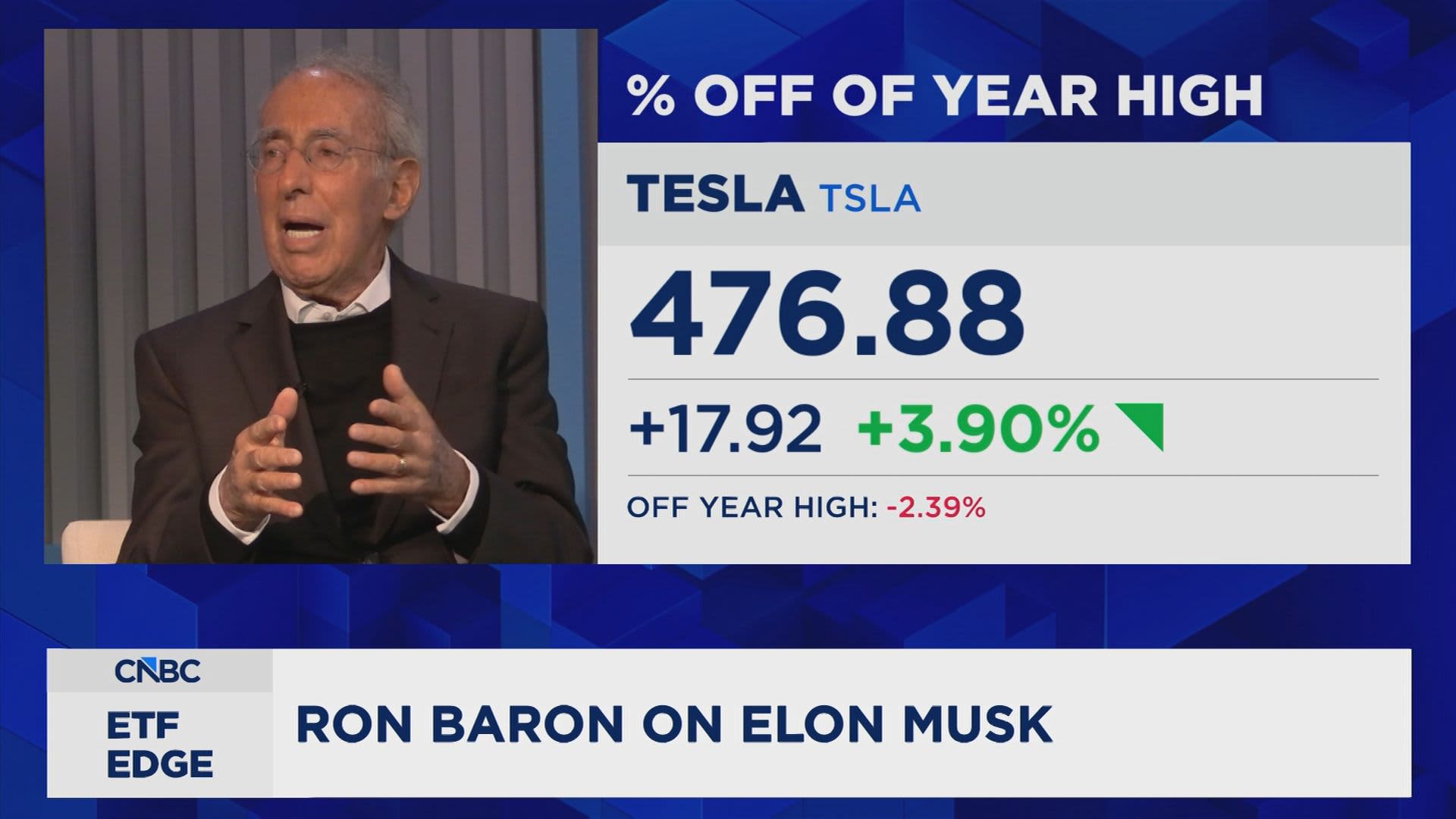
Mira Murati, who left Open AI last September, launched Thinking Machines Lab in February. By July, she raised $2 billion in the largest seed round in history, giving the company a $12 billion valuation, according to reports.
Anthropic AI is in talks to raise $5 billion at a valuation of $170 billion, nearly three times its valuation in March. CEO Dario Amodei and its six other founders are now likely multibillionaires, according to people familiar with the company.
Anysphere was valued at $9.9 billion in a June fundraise and just weeks later was reportedly offered a valuation of $18 billion to $20 billion, likely making its 25-year-old founder and CEO, Michael Truell, a billionaire.


Granted, most of the AI wealth creation is in private companies, making it difficult for equity holders and founders to cash out. Unlike the dot-com boom of the late 1990s, when a flood of companies went public, today’s AI startups can stay private for longer given the constant investment from venture capital funds, sovereign wealth funds, family offices and other tech investors.
At the same time, the rapid growth of secondary markets is allowing equity owners of private companies to sell their shares to other investors and provide liquidity. Structured secondary sales or tender offers are becoming widespread. Many founders can also borrow against their equity.
Open AI is holding talks for a secondary share sale to provide cash to employees. Its proposed valuation of $500 billion follows the company’s fundraise in March that provided a $300 billion valuation.
Dozens of private firms are being acquired or merging, also providing liquidity. After Meta invested $14.3 billion in Scale AI, founder Alexandr Wang joined Meta’s AI team. There have been 73 liquidity events — including mergers and acquisitions, IPOs, reverse mergers or corporate majority stakes — since 2023, according to CB Insights. Following the Meta deal, Scale AI’s co-founder, Lucy Guo, who left the company in 2018, bought a mansion in LA’s Hollywood Hills for around $30 million.
Still, the AI surge is largely centered in the Bay Area, reminiscent of the dot-com era. Last year, Silicon Valley companies raised more than $35 billion in venture funding, according to the Silicon Valley Institute for Regional Studies. San Francisco now has more billionaires than New York, with 82 compared with New York’s 66, according to New World Wealth and Henley & Partners. The Bay Area’s millionaire population has doubled over the past decade, compared with New York’s growth of 45%.
More homes sold above $20 million in San Francisco last year than in any other year in history, according to Sotheby’s International Realty. Rising rents, home prices and demand in the city, attributed in large part to AI, mark a sharp turnaround for a city facing a “doom loop” just a few years ago.
“It’s astonishing how geographically concentrated this AI wave is,” said McAfee, who is also co-director of MIT’s Initiative on the Digital Economy. “The people who know how to found and fund and grow tech companies are there. I’ve heard people say for 25 years ‘This is the end of the Silicon Valley’ or some other place is ‘the new Silicon Valley.’ But Silicon Valley is still Silicon Valley.”
With time, and initial public offerings, many of today’s private AI fortunes will eventually become more liquid, providing a historic opportunity for wealth management firms. All of the major private banks, wirehouses, independent advisors and boutique firms are cozying up to the AI elite in hopes of winning their business, according to tech advisors.
Like the dot-com millionaires, however, luring the AI wealthy may be challenging for traditional wealth management companies. Simon Krinsky, executive managing director at Pathstone and former managing director at Hall Capital Partners in San Francisco, said most AI wealth is locked up in private companies and therefore can’t be turned into wealth management accounts.
“I would say a much higher percentage of the ultimate wealth being created is illiquid,” he said. “There are ways of getting liquidity, but it’s tiny compared to being employed at Meta or Google” or another megacap publicly traded tech company.
Eventually, those fortunes will become liquid and prized by wealth management firms. Krinsky said the AI wealthy are likely to follow similar client patterns as the newly rich dot-commers of the 1990s. Initially, the dot-commers used their excess liquidity and assets to invest in similar tech companies they knew through their networks, colleagues or shared investors. He said the same is likely true for the AI wealthy.
“Everybody turned around and invested with their friends in the same kind of companies that created their own wealth,” he said.
After discovering the perils of having all their wealth concentrated in one highly volatile and speculative industry, the dot-commers turned to wealth management. And being born disruptors, many turned their capital and skills toward reinventing the wealth management industry in their image. Netscape founder Jim Clark, for instance, helped launch MyCFO, a response to his dislike of bankers and the industry.
Krinksy said today’s AI entrepreneurs are likely to follow the same path, with huge potential for AI to disrupt — if not replace — many of the traditional functions of wealth management.
Ultimately, however, the ultra-wealthy AI founders will discover the need for the traditional, personalized service that only dedicated wealth management teams can provide, whether it’s around taxes, inheritances and estate planning, or philanthropy advice and portfolio construction.
“After people were beaten up or bruised up in the early 2000s, they came around to appreciating some degree of diversification and maybe hiring a professional manager to protect them from themselves,” Krinksy said. “I anticipate a similar trend with the AI group.”