A salesperson (left) shows vehicles to a shopper at a Toyota dealership.
Getty Images
DETROIT — Look no further than the automotive industry for the latest indication that U.S. consumers could be facinga “K-shaped” economy, where the wealthy keep seeing gains while those who have lower incomes struggle.
The average price paid for a new vehicle last month topped $50,000 for the first time ever, Cox Automotive’s Kelley Blue Book reported Monday. Meanwhile, auto loan delinquency rates remain near all-time highs for those with low credit ratings.
Consumers who can afford a new vehicle are on a buying spree, while those on tighter budgets are staying out of the market, according to Cox Automotive executive analyst Erin Keating.
“While there are many affordable options out there, many price-conscious buyers are choosing to stay on the sidelines or cruising in the used-vehicle market,” she said in a statement. “Today’s auto market is being driven by wealthier households who have access to capital, good loan rates and are propping up the higher end of the market.”
Economists have warned the U.S. economy is increasingly “K-shaped” following the coronavirus pandemic, with consumers experiencing different realities depending on their income level.
Wealthier Americans have been assisted by rising house values, lucrative stock market returns and favorable credit, while lower- and middle-income buyers have faced tighter budgets and been hit hard by rising inflation.




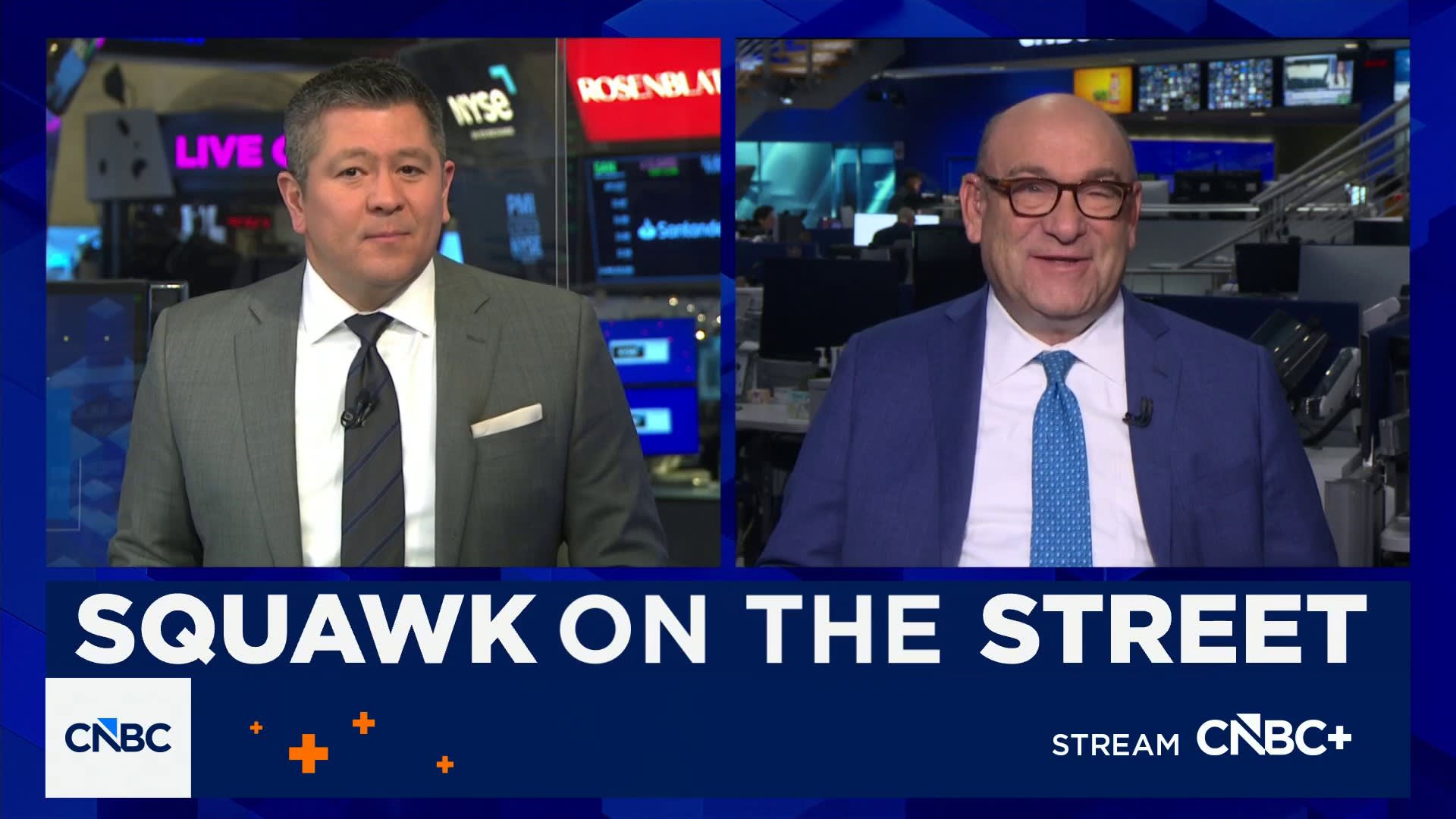
“We have already, for a while now, talked about the ‘K-shaped’ outlook for the consumer. Some consumers are doing well. Some are doing less well,” Apollo Global Management chief economist Torsten Slok said Monday on CNBC’s “Squawk on the Street.” “Now we also having a K-shape for the broader economy, where you have a booming industrial renaissance, but the consumer is facing more headwinds.”
Slok was addressing the overall U.S. market for consumers amid a potential trade war with China, but also said affordability concerns and the increasing rate of auto loan delinquencies by subprime buyers are a problem.
New car buyers have faced rising sticker prices, smaller discounts and higher loan rates since the coronavirus pandemic — especially for those with the worst credit scores.
The average new auto loan rate was about 9% as of the most recent data from August, according to Cox Automotive’s Dealertrack. That included rates of around 18% to 20% for subprime or “deep-subprime” consumers, who have lower credit scores and are more likely to default on a loan.
Last month’s pricing record of $50,080 comes as auto loan delinquencies, defaults and repossessions have increased in recent months and years, particularly for consumers with subprime credit — or those with a FICO score below 620.

Fitch Ratings reports 6.43% of subprime auto loans in August were at least 60 days past due, in line with a record high of 6.45% that was hit in January. Delinquency rates for borrowers with higher scores have remained relatively stable.
The Consumer Federation of America, a nonprofit advocacy group, last month described U.S. auto financing at a “breaking point, as Americans owe over $1.66 trillion in auto debt.”
The report was released as the Consumer Financial Protection Bureau received record high numbers of complaints about auto loans. It followed an analysis by the New York Fed last year that found car buyers with above-average credit scores (620-679) were twice as likely to fall behind as they were before the pandemic.
Cars.com’s Edmunds earlier this month reported the share of buyers committing to monthly payments of $1,000 or more accounted for 19.1% of all financed new-car transactions in the third quarter, near the record set the previous quarter at 19.3%.
Rising delinquency rates among other concerns, recently led to subprime auto lender Tricolor unexpectedly collapsing.
Cox’s Keating noted that while tariffs have increased costs and reduced affordability, the record prices last month were driven by the strong sales of all-electric vehicles. Consumers rushed to buy EVs ahead of federal tax incentives of up to $7,500 ending at the end of September.
EVs are typically more expensive than their traditional counterparts, with Cox Automotive reporting the average transaction price for a new EV last month was more than $58,000.
“We’ve been expecting to break through the $50,000 barrier,” Keating said. “That’s today’s market, and it is ripe for disruption.”