Traders work on the floor at the New York Stock Exchange in New York City, U.S., Sept. 17, 2025.
Brendan McDermid | Reuters
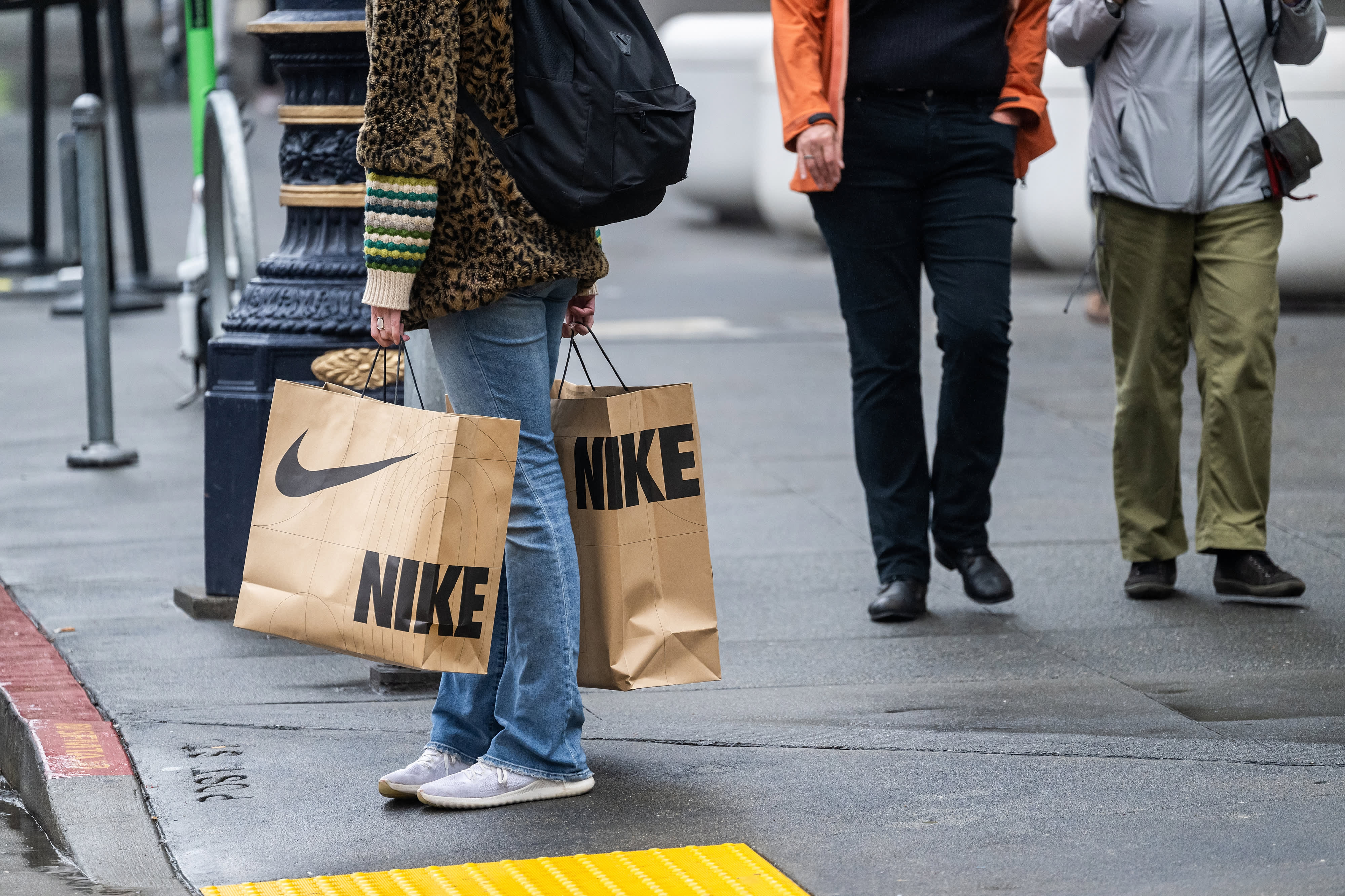
Stock market growth that seems impervious to tariffs, politics and a moribund jobs picture is in turn powering consumer spending and putting a floor under an economy that many expected to be teetering on the brink of recession by now.
Economic data this week painted a surprisingly bright picture of recent trends.
Consumer spending in August was stronger than expected and so was income. Companies and households continue to order big-ticket items while inflation has been relatively soft. Even housing showed signs of life, with new sales hitting a three-year high in August.
Previously, such trends had been powered by trillions in stimulus from both congressional spending and low interest rates and liquidity injections from the Federal Reserve.
But the narrative now is shifting towards the ever-popular wealth effect coming from Wall Street and a succession of new highs in major stock indexes despite lofty valuations.
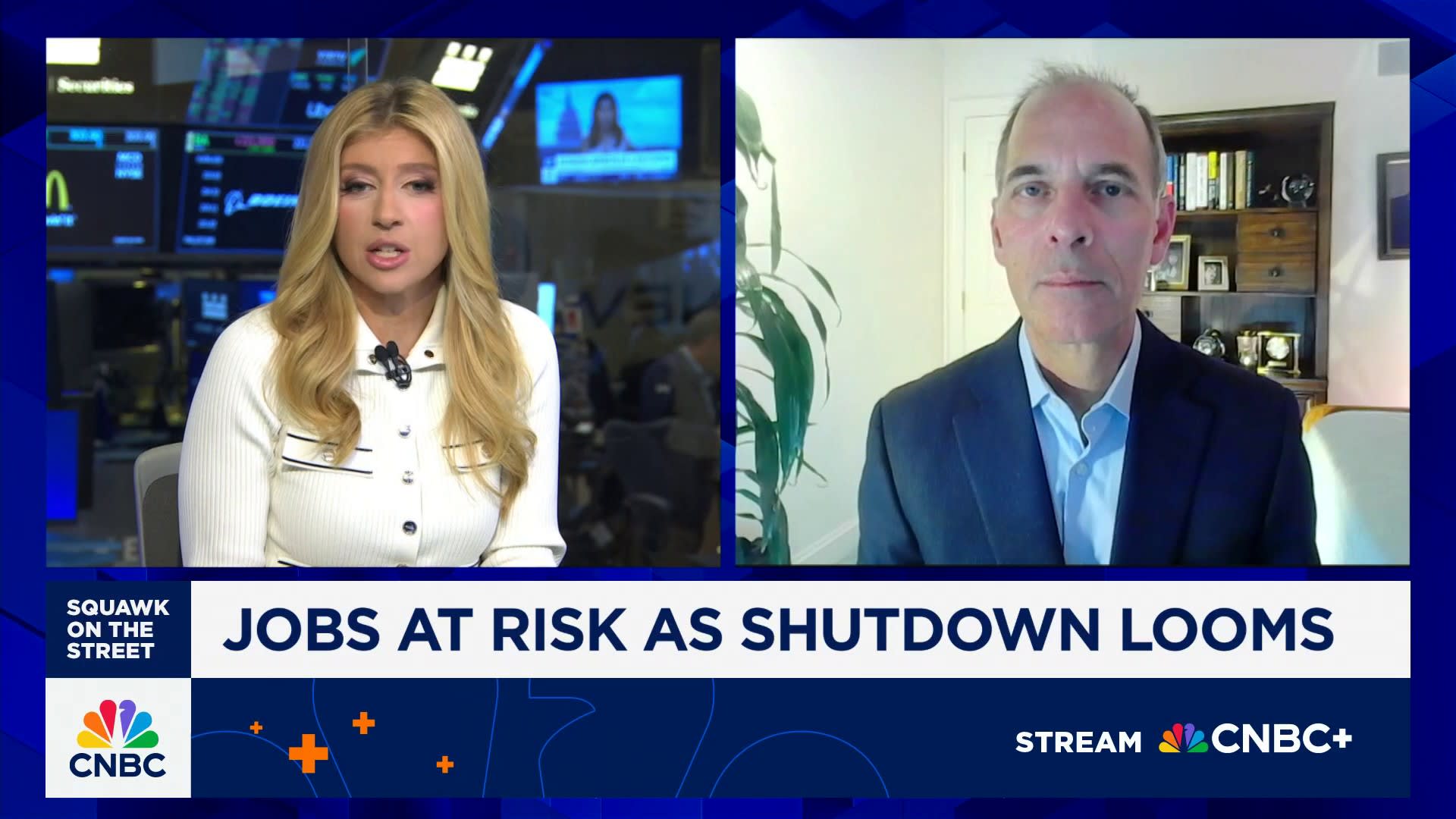
“I do think that goes to the bounce in the stock market and the wealth effect,” Mark Zandi, chief economist at Moody’s Analytics, said Friday on CNBC. “I think all of the spending is coming from the well-to-do high-income high-net-worth households that are seeing their stock portfolios are up and they’re feeling a lot better off and they’re spending.”
Indeed, the market has seen a stair-step climb higher this year, boosted by massive AI spending, no doubt, but also rallying thanks to strength in big industrial companies and communications giants. The Dow Jones Industrial Average has gained more than 9%, while the tech-focused Nasdaq Composite is up 23%.

Dow and Nasdaq
Consumers are almost always happier when stocks are up and unemployment is low, as is currently the case. However, sentiment this year as measured by the University of Michigan has been in a steady decline, falling 23% since January when President Donald Trump took office.
A double-edged sword


The Michigan gauge fell 5.3% in September, though survey Director Joanne Hsu noted an anomaly: “Sentiment for consumers with larger stock holdings held steady in September, while for those with smaller or no holdings, sentiment decreased.”
That makes sense considering the stock market has set a succession of new records this month. Being that the top 10% of earners in the U.S. own 87% of the market, according to St. Louis Fed data, asset holders have reason to be pleased.
That’s also, according to Zandi, a reason why the economic strength could be built on sand.
“The economy’s very vulnerable if the stock market does turn south, for whatever reason,” he said. “People start seeing red on their screens and not green on their screens and the savings rate goes up not down. In the current context of no job growth, that’s recession.”
Concerns over the stock market primarily focus on valuations, with the S&P 500 currently trading at 22.5 times expected earnings for the next 12 months, well above both the five- (19.9) and 10-year (18.6) trends, according to FactSet.
For all that, recent economic data indicates few recession pressures.
Consumer spending in August increased 0.6%, according to Commerce Department numbers released Friday that were better than expected. Spending adjusted for inflation rose 0.4%, indicating consumers are still able to weather price increases.
On inflation, the annual rate is still well in excess of the Fed’s 2% target, with core holding at 2.9%. But monthly increases are about in line with previous trends and Wall Street forecasts, putting the Fed on target almost certainly for an October rate cut and perhaps another when it meets again in December.
“The economy has continued to surprise to the upside and despite the negativity captured in surveys and expressed by commentators, actions speak louder than words and consumers continue to spend, which is why corporate profits continue to exceed expectations,” said Chris Zaccarelli, chief investment officer for Northlight Asset Management.
More good news, more danger
There was other good economic news this week as well.
Gross domestic product grew at a 3.8% annualized pace in the second quarter, according to a revision Thursday that was half a percentage point higher than previously thought. Again, the reason for the upside surprise was because consumer spending was considerably stronger than the prior estimate. Moreover, the Atlanta Fed raised its GDP tracking estimate for the third quarter, pushing the expected growth rate up to 3.9%, or 0.6 percentage point higher than the last update a week ago.
Also, durable goods orders unexpectedly increased while new home sales surged 20%. All that came as a rise in jobless claims a couple weeks ago turned out to be a blip, with layoffs remaining low, though payroll growth has also been static at best.
Even if it’s primarily consumers at the top end driving the growth, the macroeconomic numbers are at the very least telling a story of stability.
“Often, when people feel pessimistic about the near-future economy, they begin reigning in spending, but that hasn’t been the case thus far,” said Elizabeth Renter, senior economist at consumer site NerdWallet. “In fact, the strength of the consumer is credited with keeping the economy strong for the past handful of years, despite high inflation, high [interest] rates and great uncertainty.”
However, Renter also noted the knife’s edge that the economy sits on, with a broad swath of consumers not joining the stock market party and thus feeling down, and overall sentiment levels consistent with recessions.
“Wealth provides some insulation from perceived economic volatility, and investors have been largely doing OK,” she said. “Consumers are attuned to the current economic risks — inflation and labor market weakness. This could be due to first-hand experiences — food prices rose significantly last month — or because they’re on edge from headlines tracking key economic data. In any case, people aren’t feeling great about the economy, their place within it or where it’s all headed.”