German Chancellor Friedrich Merz addresses the Bundestag during a debate over the 2025 federal budget on September 17, 2025 in Berlin, Germany.
Nadja Wohlleben | Getty Images News | Getty Images
Huge investment pledges and major fiscal changes had bolstered hopes that Germany could give the euro zone economy a much-needed boost, but economists are starting to question if — and when — that will happen.
Germany was a hub of excitement earlier this year, with many politicians, analysts and economists sharing big hopes of an economic rebound — domestically, and across Europe.
It had moved to amend its long-standing debt brake rule, which limits how much debt the government can take on and dictates the size of the federal government’s structural budget deficit. Certain defense and security expenses above a specific threshold are exempt from the debt brake under the new rules.
The country also opted to create a 500 billion euro ($592 billion) infrastructure and climate investment fund.
The shift was considered a potential game-changer at the time, and was widely billed as a way to turn Germany’s sluggish economy around.
The country recorded annual contractions in both 2023 and 2024, with 2025 also off to a muted start. While gross domestic product grew 0.3% in the first quarter, it shrank by 0.3% over the following three months, according to the latest data.
The euro zone economy more broadly is also struggling, posting growth of 0.6% in the first quarter, although this slowed to just 0.1% in the following three months.
European Central Bank Governing Council member Martins Kazaks told CNBC earlier this month that “the big hope lies on Germany” when it comes to fiscal spending boosting the euro zone economy next year.
But it’s looking increasingly unclear whether this will come to fruition.
‘In Germany, it takes time to spend money’


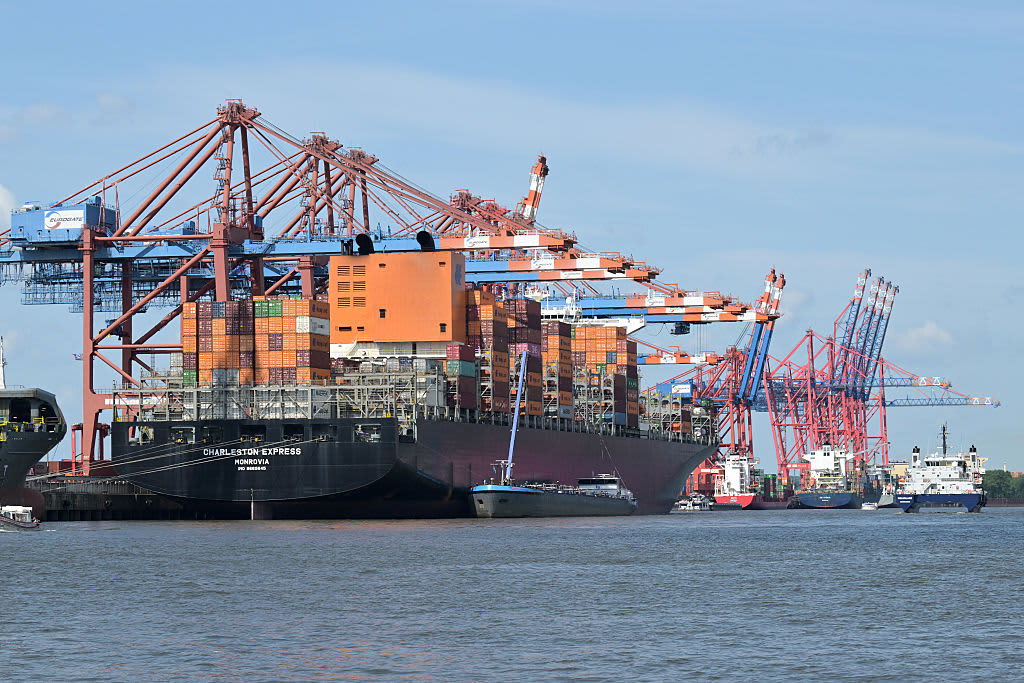
Holger Schmieding, chief economist at Berenberg, told CNBC, that a “major rise” in defense orders and infrastructure investment had started in Germany.
“[But] we are not seeing it strongly in actual output data yet,” he said.
“All in all, everything is progressing as we expected after the big debt brake reform. The actual spending is slower than many of the more excitable pundits had expected. In Germany, it takes time to spend money.”
Meanwhile, Franziska Palmas, senior Europe economist at Capital Economics, flagged a “much higher deficit” in Germany over the coming years as a result of the spending splurge — along with some potentially unforeseen outcomes.
“Something that perhaps has gone a bit unnoticed is that the government is not just raising defence and infrastructure spending, it is also using some of the additional fiscal space to finance other spending,” she said.
This includes, for example, the financing of electricity tax cuts for businesses, but also covering higher pension, healthcare and social benefit costs, Palmas pointed out.
“Things like electricity tax cuts still will have a positive effect on the economy, but the additional spending on healthcare and pensions won’t boost the economy given it reflects mainly rising costs due to demographics,” Palmas noted.
While Palmas said the changes will help Germany’s economy grow in 2026, she warned that the expansion may not be as strong as many economists are anticipating.
A minimal boost?
Major German economic institutes have recently cut their economic projections for the country and now expect growth of just over 1% next year.
The European Central Bank, meanwhile, is expecting the euro zone to grow by 1% in 2026.
Berenberg’s Schmieding calculates that the fiscal stimulus in Germany will add around 0.3 percentage points to the country’s own growth rate, which he says would boost the euro zone economy by 0.1 percentage points.
Palmas, meanwhile, sees Germany’s growth adding around 0.2% to the euro zone’s in 2026.
Beyond Germany, several other factors are set to impact euro zone growth next year. Those include the recent interest rate cuts from the ECB, according to Palmas, as well as strong growth from Spain, which has been boosted by immigration and employment growth.
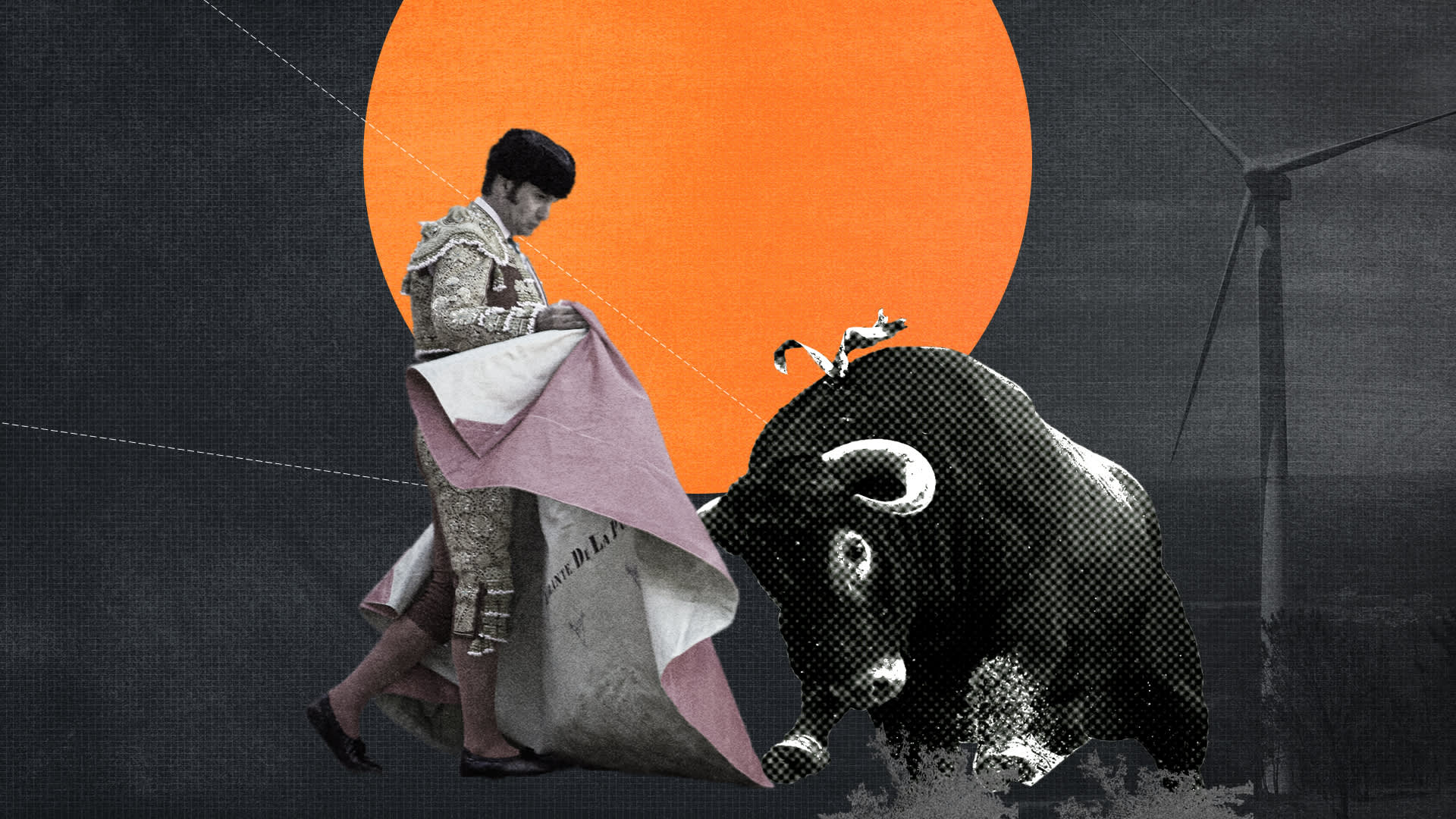
“On the other hand, U.S. tariffs are likely to be a small drag on the economy (we think they will subtract around 0.2% from GDP),” she said. “And in France, fiscal tightening will also weigh on growth.”
But Germany’s rebound should have knock-on effects that go beyond just GDP, Schmieding pointed out.
“The transition of Germany from its mini-recession until mid-2024 to significant growth from late 2025 onwards will have modest positive confidence effect on its neighbours. After all, Germany is usually their most important trading partner,” he said.