Andersen Ross Photography Inc | Digitalvision | Getty Images
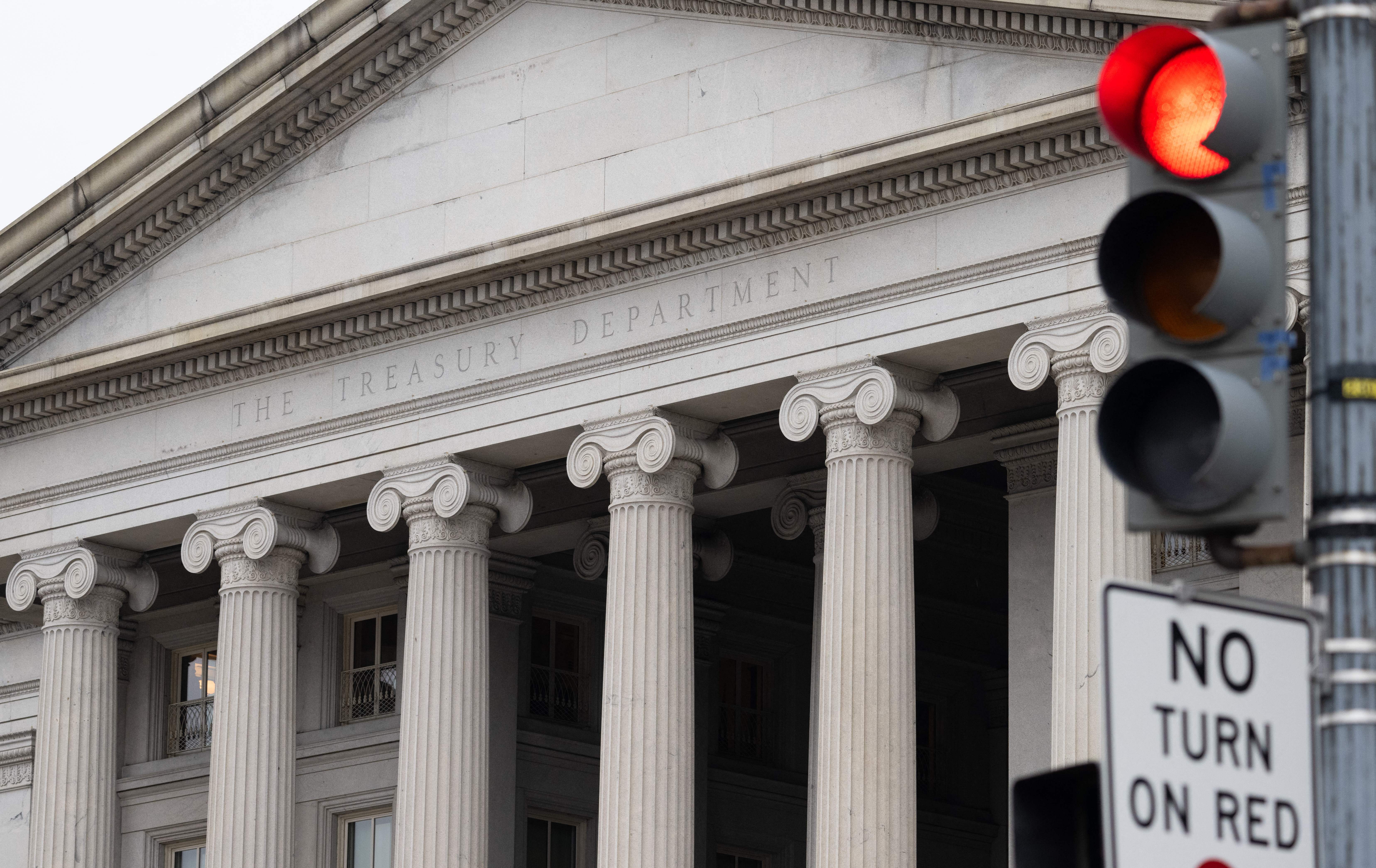
Wall Street is warning that the U.S. Department of Education’s crack down on student loan repayments may take billions of dollars out of consumers’ pockets and hit low income Americans particularly hard.
The department has restarted collections on defaulted student loans under President Donald Trump this month. For first time in around five years, borrowers who haven’t kept up with their bills could see their wages taken or face other punishments.
Using a range of interest rates and lengths of repayment plans, JPMorgan estimated that disposable personal income could be collectively cut by between $3.1 billion and $8.5 billion every month due to collections, according to Murat Tasci, senior U.S. economist at the bank and a Cleveland Federal Reserve alum.
If that all surfaced in one quarter, collections on defaulted and seriously delinquent loans alone would slash between 0.7% and 1.8% from disposable personal income year-over-year, he said.
This policy change may strain consumers who are already stressed out by Trump’s tariff plan and high prices from years of runaway inflation. These factors can help explain why closely followed consumer sentiment data compiled by the University of Michigan has been hitting some of its lowest levels in its seven-decade history in the past two months.
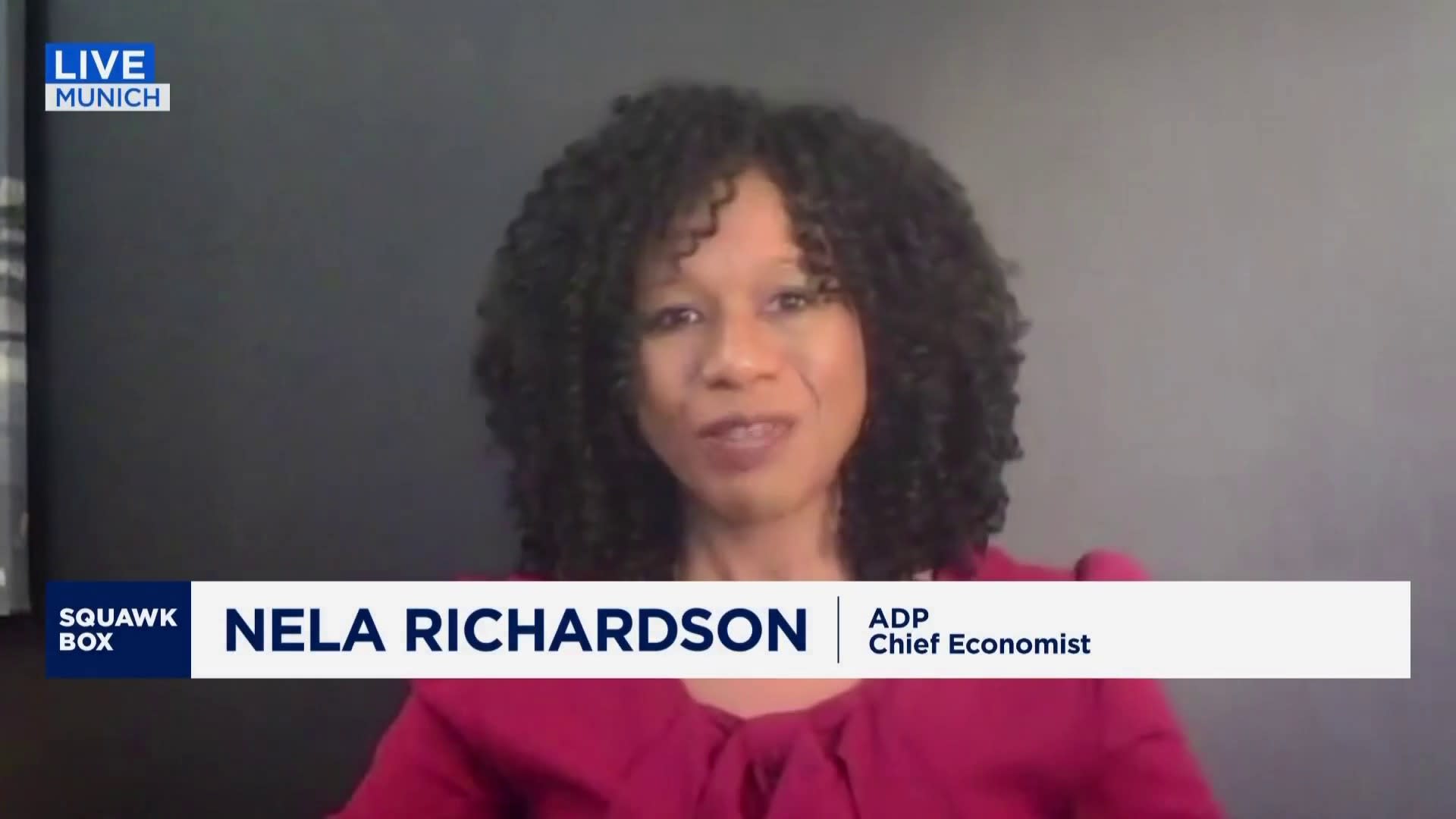
“You have a number of these pressure points rising,” said Jeffrey Roach, chief economist at LPL Financial. “Perhaps in aggregate, it’s enough to quash some of these spending numbers.”
Bank of America said this push to collect could particularly weigh on groups that are on more precarious financial footing. “We believe resumption of student loan payments will have knock-on effects on broader consumer finances, most especially for the subprime consumer segment,” Bank of America analyst Mihir Bhatia wrote to clients.
Economic impact
Student loans account for just 9% of all outstanding consumer debt, according to Bank of America. But when excluding mortgages, that share shoots up to 30%.
Total outstanding student loan debt sat at $1.6 trillion at the end of March, an increase of half a trillion dollars in the last decade.
The New York Fed estimates that nearly one of every four borrowers required to make payments are currently behind. When the federal government began reporting loans as delinquent in the first quarter of this year, the share of debt holders in this boat jumped up to 8% from around 0.5% in the prior three-month period.
To be sure, delinquency is not the same thing as default. Delinquency refers to any loan with a past-due payment, while defaulting is more specific and tied to not making a delayed payment with a period of time set by the provider. The latter is considered more serious and carries consequences such as wage garnishment. If seriously delinquent borrowers also defaulted, JPMorgan projected that almost 25% of all student loans would be in the latter category.
JPMorgan’s Tasci pointed out that not all borrowers have wages or Social Security earnings to take, which can mitigate the firm’s total estimates. Some borrowers may resume payments with collections beginning, though Tasci noted that would likely also eat into discretionary spending.
Trump’s promise to reduce taxes on overtime and tips, if successful, could also help erase some effects of wage garnishment on poorer Americans.
Still, the expected hit to discretionary income is worrisome as Wall Street wonders if the economy can skirt a recession. Much hope has been placed on the ability of consumers to keep spending even if higher tariffs push product prices higher or if the labor market weakens.
LPL’s Roach sees this as less of an issue. He said the postpandemic economy has largely been propped up by high-income earners, who have done the bulk of the spending. This means the tide-change for student loan holders may not hurt the macroeconomic picture too much, he said.
“It’s hard to say if there’s a consensus view on this yet,” Roach said. “But I would say the student loan story is not as important as perhaps some of the other stories, just because those who hold student loans are not necessarily the drivers of the overall economy.”