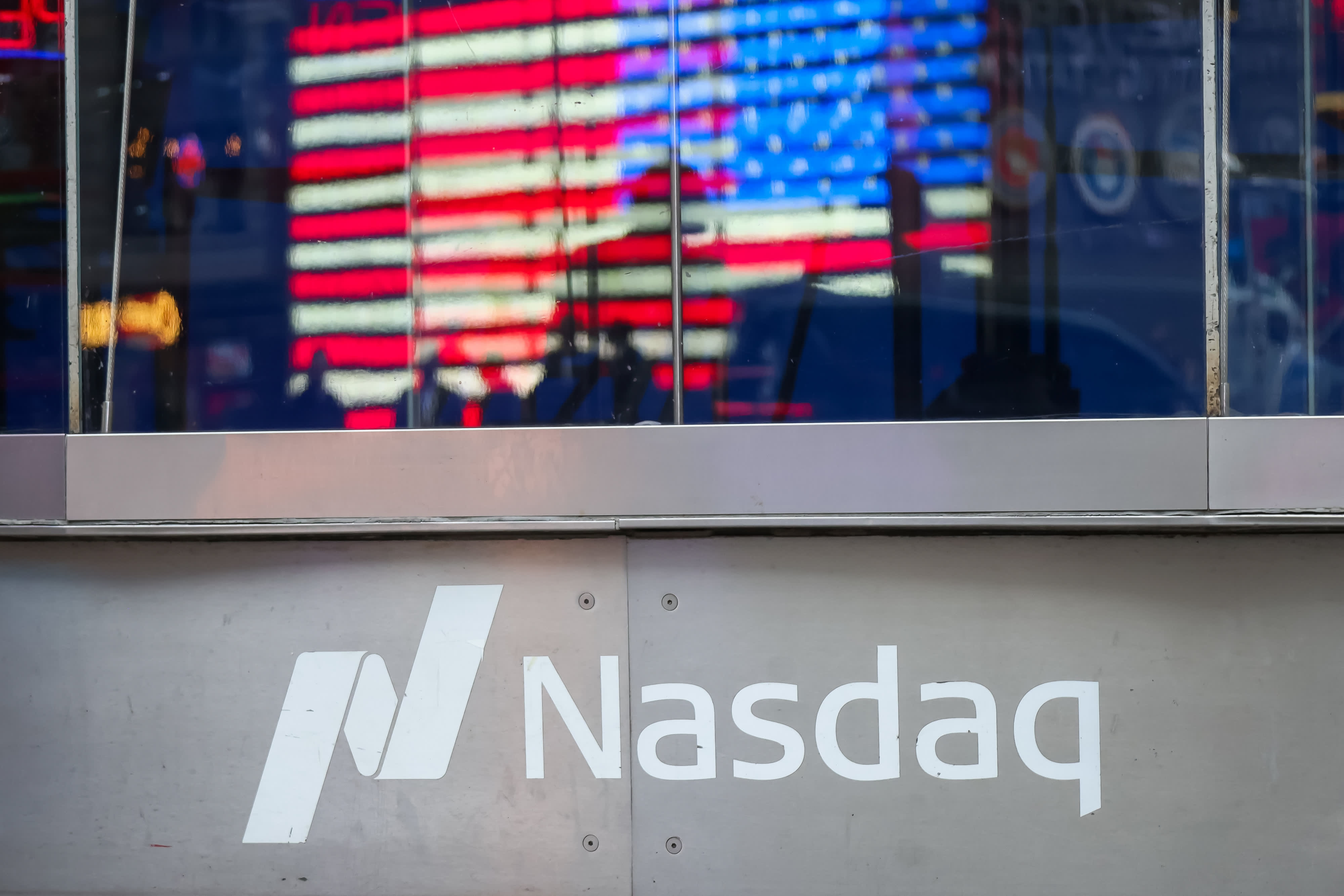
The New York Stock Exchange is seen during morning trading on July 31, 2024 in New York City.
Michael M. Santiago | Getty Images News | Getty Images
Last year, banks quickly raised interest rates to record levels and added new monthly fees on credit cards when a Consumer Financial Protection Bureau rule threatened a key revenue source for the industry.
Now, they’re far more reluctant to reverse those steps, even after bank trade groups succeeded in killing the CFPB rule in federal court last month.
Synchrony and Bread Financial, two of the biggest players in the business of issuing branded credit cards for the likes of Amazon, Lowe’s and Wayfair, are keeping the higher rates in place, executives said in recent conference calls.
“We feel pretty comfortable that the rule has been vacated,” Synchrony CEO Brian Doubles said on April 22. “With that said, we don’t currently have plans to roll anything back in terms of the changes that we made.”
His counterpart at Bread, CEO Ralph Andretta, echoed that sentiment, “At this point, we’re not intending to roll back those changes, and we’ve talked to the partners about that.”
The CEOs celebrated the end of a proposed CFPB regulation that was meant to limit what Americans would pay in credit card late fees, an effort that the industry called a misguided and unlawful example of regulatory overreach. Under previous Director Rohit Chopra, the CFPB estimated that its rule would save families $10 billion annually. Instead, it inadvertently saddled borrowers with higher rates and fees for receiving paper statements as credit card companies sought to offset the expected revenue hit.
Retail cards hit a record high average interest rate of 30.5% last year, according to a Bankrate survey, and rates have stayed close to those levels this year.
“The companies have made a windfall,” said David Silberman, a veteran banking attorney who lectures at Yale Law School. “They didn’t think they needed this revenue before except for [the CFPB rule], and they’re now keeping it, which is coming directly out of the consumer’s pocket.”
Synchrony and Bread both easily topped expectations for first-quarter profit, and analysts covering the companies have raised estimates for what they will earn this year, despite concerns about a looming U.S. economic slowdown.
Retailer lifeline
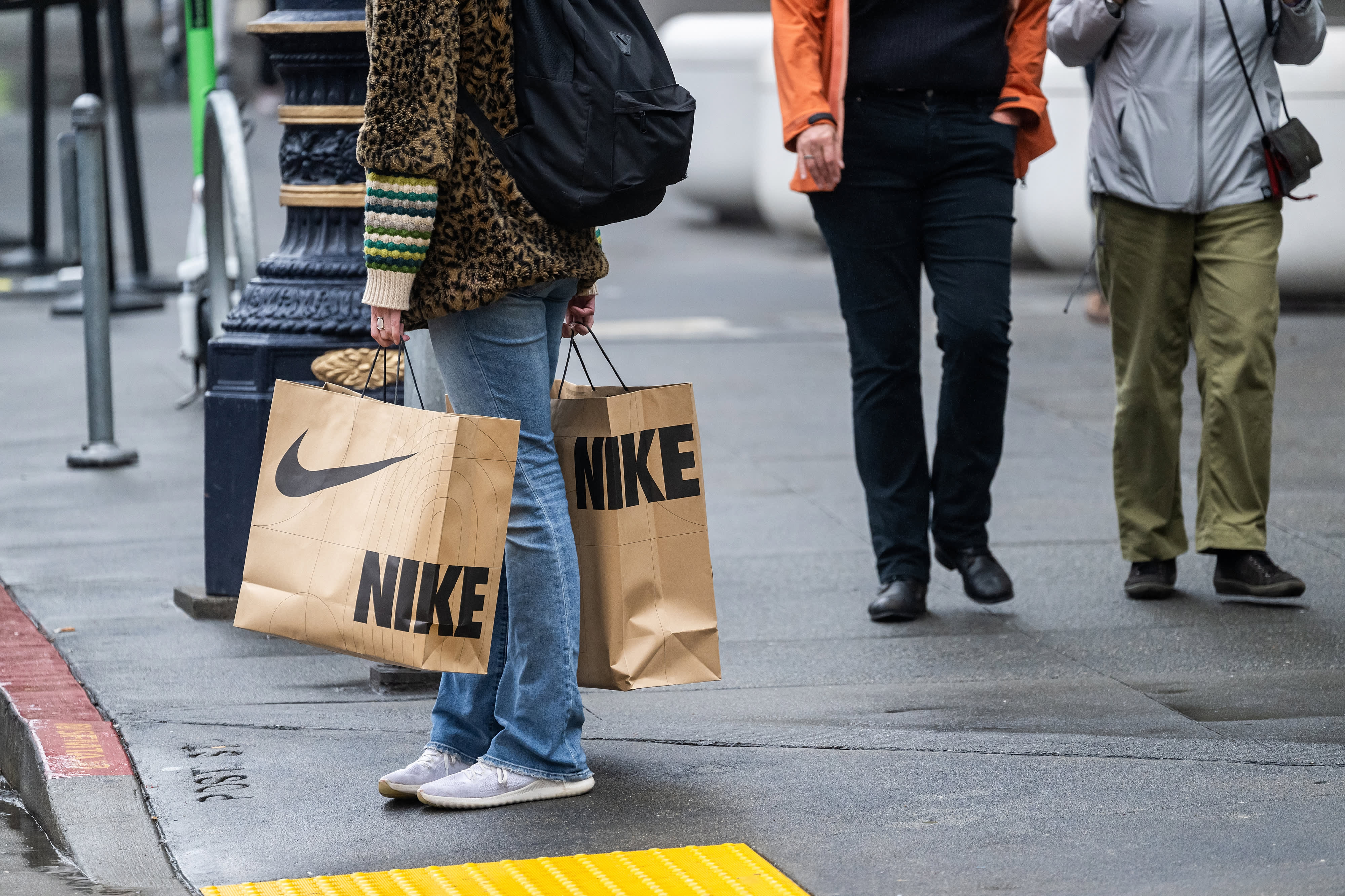
While store cards occupy a relatively small corner of the overall credit card universe, Americans who are struggling financially are more likely to rely on them, and they are a crucial profit generator for popular American retailers.
There were more than 160 million open retail card accounts last year, the CFPB said in a report from December that highlighted risks to users of the high-interest cards.
More than half of the 100 biggest U.S. retailers offer store cards, and brands including Nordstrom and Macy’s relied on them to generate roughly 8% of gross profits in recent years, the CFPB said.
Banks may be taking advantage of the fact that some users of retail cards don’t have the credit profiles to qualify for general-purpose cards from JPMorgan Chase or American Express, for example, said senior Bankrate analyst Ted Rossman.
Nearly half of all retail card applications are submitted by people with subprime or no credit scores, and the card companies behind them approve applications at a higher rate than for general-purpose cards, the CFPB said.
“Companies like Bread or Synchrony, they rely a lot more on people who carry balances or who pay late fees,” Rossman said.
Rates on retail cards have fallen by less than 1% on average since hitting their 2024 peak, and they are typically about 10 percentage points higher than the rates for general-purpose cards, Rossman said.
That means it’s unlikely that other large players in the retail card sector, including Citigroup and Barclays, have rolled back their rate increases in the wake of the CFPB rule’s demise. The most recent published APR on the Macy’s card, issued by Citigroup, is 33.49%, for instance.
Citigroup and Barclays representatives declined to comment for this article.
Debt spirals
Synchrony’s CEO gave some clues as to why banks aren’t eager to roll back the hikes: borrowers either didn’t seem to notice the higher rates, or didn’t feel like they had a choice.
Retail cards are typically advertised online or at the checkout of brick-and-mortar retailers, and often lure users with promotional discounts or rewards points.
“We didn’t see a big reduction in accounts or spend related to the actions” they took last year, Doubles told analysts. “We did a lot of test and control around that.”
Synchrony will discuss future possible changes to its card program with its brand partners, according to a spokeswoman for the Stamford, Connecticut-based bank. That could include bumping up promotional offers at specific retailers, Doubles said during the April conference call.
Brian Doubles, Synchrony President
Synchrony Financial
“Our goal remains to provide access to financial solutions that provide flexibility, utility, and meaningful value to the diverse range of customers, partners, providers, and small and midsized businesses we serve,” Synchrony said in a statement.
A Bread spokesperson declined to comment for this article.
Alaina Fingal, a New Orleans-based financial coach, said she often advises people who’ve been trapped in a debt spiral from using retail credit cards. Some have to take on side gigs, like driving for Uber Eats, to work down the balances, she said.
“They do not understand the terms, and there are a lot of promotional offers that may have deferred interest clauses that are in there,” Fingal said. “It’s extremely predatory.”