Skip to content
Trending
December 12, 2025Coinbase to soon unveil prediction markets powered by Kalshi, source says April 11, 2025How China’s exporters are scrambling to mitigate the impact of punishing U.S. tariffs October 3, 2025Tesla, GM lead record U.S. EV sales this year as federal incentives end May 19, 2025Bath & Body Works names recent Nike executive as its new CEO, effective immediately September 10, 20255 takeaways from the producer price inflation report with another key reading on tap March 16, 2025Goldman Sachs offers its newest option for downside protection in volatile markets December 17, 2025Salesforce’s raised guidance lifts the stock but doesn’t change our rating September 10, 2025‘We’re all kind of in shock.’ Oracle’s revenue projections leave analysts slack-jawed September 29, 2025Startup founder Charlie Javice to be sentenced for defrauding JPMorgan Chase October 20, 2025China’s economy grows 4.8% in third quarter as expected, but investment sees ‘rare and alarming’ drop
  Friday 6 February 2026
everydayread.net
  • HOME
  • Bitcoin
  • Business
  • Earnings
  • Economy
  • Finance
everydayread.net
everydayread.net
  • HOME
  • Bitcoin
  • Business
  • Earnings
  • Economy
  • Finance
everydayread.net
  Finance  The biggest self-defeating mistakes investors make in trying to beat the market
Finance

The biggest self-defeating mistakes investors make in trying to beat the market

AdminAdmin—February 17, 20250

Stop being your own worst (financial) enemy

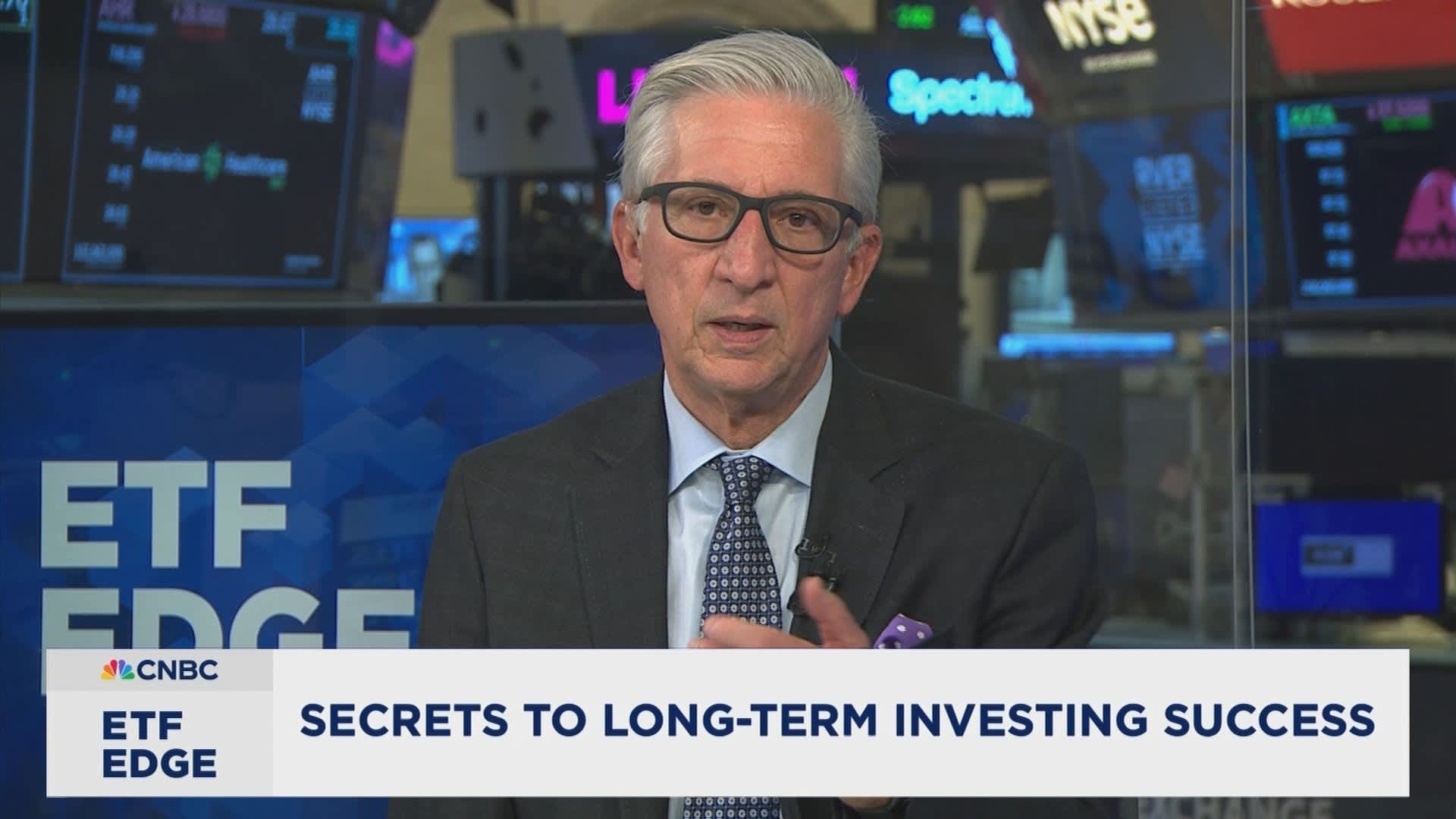
Index investing pioneer Charley Ellis says what gave rise to the success of the index fund remains true today: “It’s virtually impossible to beat the market,” he told CNBC’s Bob Pisani on last Monday’s “ETF Edge

.”

But Ellis warns of another hurdle just as high as active management’s long-term underperformance that holds back many investors: You might be your own worst enemy when it comes to your investment strategy. 

The market’s complexities, volatility and an infinite number of other variables can cause unpredictable price fluctuations, but your own mindset is just as key among the variables that can set your financial portfolio back.

In his new book, “Rethinking Investing,” Ellis details a slew of unconscious biases that impact our thinking about money in the market. A few of the big ones he addresses in the book:

  • The gambler’s fallacy: The belief that because you were right picking one stock, you will be right picking all other stocks.
  • Confirmation bias: Seeking information that confirms pre-existing beliefs.
  • Herd mentality: Blindly following actions of a larger group.
  • Sunk cost fallacy: Continuing to invest in failing investments.
  • Availability: Being influenced by easily accessible information, whether it is actually valuable or not.
More stories

Robinhood shares drop 12% this week amid losses in bitcoin, AI stocks

November 22, 2025

NYSE-owner Intercontinental Exchange rises after it takes $2 billion stake in Polymarket

October 7, 2025

China vows to boost domestic consumption, tech self-reliance in next five years as Fourth Plenum wraps

October 26, 2025

Markets no longer view the December rate cut as a sure bet, with Fed officials casting doubts

November 13, 2025

The impacts of these biases on your portfolio strategy can be major, Ellis says, and should lead investors to “rethink” their approach to the market.

“Instead of trying to get more, try to pay less,” he said. “That’s why ETFs … have made such great sense.”

More from ETF Edge

Research shows that ETFs typically have lower fees than traditional actively managed mutual funds, though traditional index mutual funds such as S&P 500 funds from Vanguard and Fidelity are also have ultra-low fees (some are even management fee-free). 

Ellis argues that use of lower fee funds, combined with letting go of our behavioral biases, can help investors win years, or even decades, later. 

“They’re boring, so we leave them alone, and they do work out over the long run, very, very handsomely,” he said. 

Long-time ETF expert Dave Nadig, who appeared on “ETF Edge” with Ellis, agreed. 

“People trying to predict people always works out terribly,” Nadig said. A long-term investment in an index fund “helps you overcome an enormous number of these biases simply because you’ll pay less attention to it,” he added. 

He also pointed to the mistake many investors make of trying to beat the market by timing it, only to end up outsmarting themselves. “There are more good days than bad days,” Nadig said. “If you’re missing the 10 best days in the market and you missed the worst 10 days in the market, you’re still much worse off than if you just stayed invested. The math on that’s pretty hard to argue with.”

One more mindset shift tip Ellis offered on this past week’s “ETF Edge” for investors focused on having enough invested for a secure retirement: Start thinking about the income stream from Social Security in a new way.

Disclaimer
Producer prices report points to softer Fed inflation measure than feared
Southwest Airlines to slash 15% of corporate jobs in ‘unprecedented’ move to cut costs
Related posts
  • Related posts
  • More from author
Finance

Visa says new AI shopping tool has helped customers with hundreds of transactions

December 18, 20250
Finance

Billionaire fund manager Ron Baron praises beaten-up financial stock whose new CEO he compares to Jamie Dimon

December 17, 20250
Finance

Nasdaq moves to make trading nearly 24 hours. Why some on Wall Street say that’s a bad idea

December 16, 20250
Load more
Read also
Finance

Visa says new AI shopping tool has helped customers with hundreds of transactions

December 18, 20250
Economy

Trust these numbers? Economists see a lot of flaws in delayed CPI report showing downward inflation

December 18, 20250
Earnings

Nike tops earnings estimates but shares fall as China sales plunge, tariffs hit profits

December 18, 20250
Business

American Airlines no longer lets basic economy flyers earn miles

December 18, 20250
Finance

Billionaire fund manager Ron Baron praises beaten-up financial stock whose new CEO he compares to Jamie Dimon

December 17, 20250
Economy

Watch Fed Governor Christopher Waller speak on interest rates and the race to succeed Powell

December 17, 20250
Load more
    © 2022, All Rights Reserved.
    • About Us
    • Advertise With Us
    • Contact Us
    • Disclaimer
    • Cookie Law
    • Privacy Policy
    • Terms & Conditions